

























































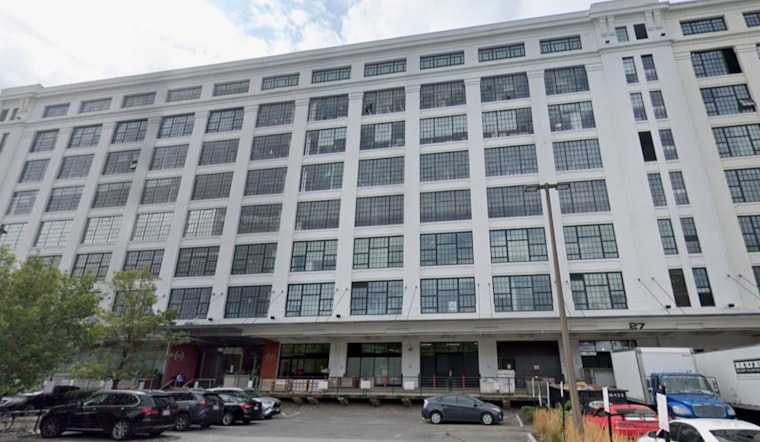
On Boston’s waterfront, Ginkgo Bioworks is trying to pull off a major lab-world plot twist. The Seaport biotech that once promised to program cells like software is steering away from traditional bench work and into selling AI-driven lab robots and a browser-based cloud lab. The shift follows years of shrinking revenue and deep cumulative losses that pushed executives to hunt for a business model that actually pays the bills. Company leaders say the goal is to turn their Seaport operation into an automated, 24/7 data factory that outside researchers can tap into remotely.
Ginkgo Rolls Out Cloud Lab And RAC Robots
In an official announcement, Ginkgo said it has launched “Ginkgo Cloud Lab,” a web interface that lets researchers submit human-language protocols to its fleet of Reconfigurable Automation Carts (RACs) and receive data back via the cloud, in a press release via PR Newswire. The release describes an AI agent named EstiMate that checks whether a proposed protocol is feasible and what it will cost, and says the autonomous lab already runs more than 50 RACs, with plans to scale that number up.
Ginkgo is pitching the whole effort as a two-track commercial strategy: sell cloud access for near-term revenue while assembling full autonomous systems for enterprise and university customers. In other words, rent the robots by the browser tab now, then sell entire automated labs to big spenders later.
Big Bets, Deep Losses And A DOE Contract
Reporting by The Boston Globe and the company’s filings shows Ginkgo’s cell-engineering unit brought in roughly $133 million last year, a 24% drop, and that the company has recorded about $6 billion in net losses since 2020, prompting multiple rounds of job cuts. The Globe also detailed a December deal to outfit the Department of Energy’s Pacific Northwest National Laboratory with an automated phenotyping platform worth up to $47 million, and quoted CEO Jason Kelly saying the ambition is to “replace the lab bench.”
The coverage also highlighted Kelly’s sales pitch for the new model: a scientist, he said, could “order an experiment for as little as $39” through the cloud service. The promise is that Boston-based robots crunch through the work while customers sit comfortably somewhere else, refreshing their data dashboards.
Market Reaction And Skepticism
Markets and analysts have responded with cautious optimism. Earlier momentum in the stock reversed after the pivot was announced, and subsequent coverage has zeroed in on whether real, recurring bookings will materialize, according to Investing.com. Investors like the story, they just want proof it can pay.
The company reported it ended 2025 with about $423 million in cash, cash equivalents and marketable securities in its investor update, per a company statement posted via PR Newswire. Even with that cushion, analysts say Ginkgo still has to show that customers are willing to pay for cloud experiments and full autonomous installs in volumes big enough to turn those losses into lasting profits.
What To Watch Next
Ginkgo says it will spin off its biosecurity business into a private entity and expects to complete that transaction in the first half of 2026, per an investor update reposted on Nasdaq. That move is meant to clear the decks so the company can focus squarely on autonomous labs.
The near-term test is straightforward: more cloud orders, evidence that RAC fleets can be deployed reliably at customer sites, and a steady stream of bookings instead of one-off pilot projects. For Boston, the pivot is a visible sign that the region’s life-science economy is tilting toward machine-driven data factories and away from the classic wet bench, with the city’s lab workers increasingly sharing space with robots that never sleep.





