

























































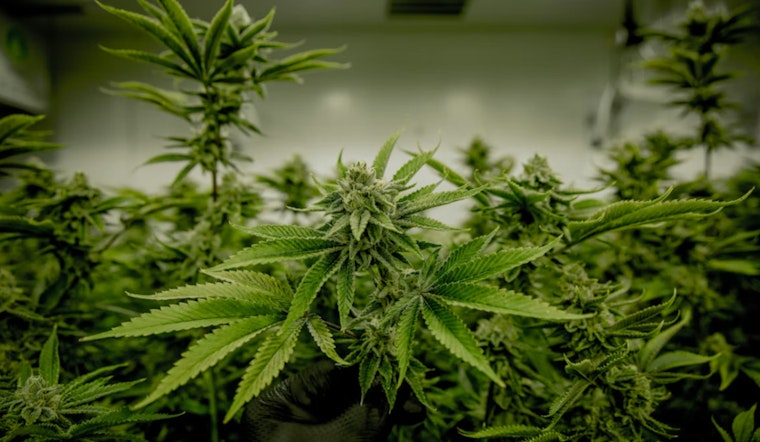
Massachusetts’ legal cannabis market is getting smoked, and not in the way business owners hoped. Per-unit prices have cratered into the low single digits, and across Boston, growers, small dispensaries and equity-program operators are reporting unpaid invoices, layoffs and outright closures. Regulators and trade groups are scrambling to see whether policy moves, including a potential pause on new grow licenses, can steady the industry before more operators fold.
Prices Have Fallen Hard And Fast
The slide has been steep. By January, the average retail price for a gram of flower had dropped to roughly $4, more than a 70% plunge from the market’s early days, squeezing margins at every point in the supply chain. CRB Monitor links that collapse to a surge in production capacity combined with cutthroat retail competition.
Even so, the cash register has not gone quiet. Adult-use sales across Massachusetts still reached about $1.65 billion in 2025, even as what each gram brought in kept shrinking. Retailers actually processed millions more transactions than the year before, a sign that customers are buying more while spending less per item. Marijuana Business Daily reports both the sales total and the rising transaction volumes as revenue per unit softened.
Regulators Consider Hitting Pause
Confronted with what it describes as “severe price compression,” the Cannabis Control Commission is weighing a temporary freeze on new cultivation licenses and has scheduled a public hearing on the proposal within weeks. The idea is to cap canopy growth for a time and give the market room to rebalance, shifting competition toward quality instead of pure volume. CRB Monitor outlines how commissioners are discussing the plan and the expected hearing timeline.
Oversupply Follows A Familiar Playbook
Massachusetts is not breaking new ground here. Earlier legal states saw similar boom-and-glut cycles as industrial-scale production flooded the market and dragged prices down. Research from RAND notes that when production capacity races ahead of demand, the predictable outcome is falling wholesale and retail prices, and that some states have turned to licensing pauses as a tool to stabilize their markets.
On The Ground: Shuttered Shops, Court Fights And Unpaid Tabs
The fallout is already showing up across the local landscape. Recent reporting and commission records point to a wave of store closures and surrendered licenses, a rise in lawsuits over unpaid bills, and at least several multi-state operators swallowing seven-figure writeoffs tied to invoices that never got paid. The Boston Globe details which retailers shut their doors last fiscal year, which suppliers are chasing money in court, and how executives say oversupply has come back to bite the industry.
Legal Wrinkle: Receivership Instead Of Bankruptcy
There is another catch. Because cannabis remains illegal at the federal level, licensed marijuana businesses generally cannot use federal bankruptcy court to get breathing room. Instead, distressed operators often land in state-court receivership or rely on other state remedies. Legal analysts say receivership can safeguard assets and set up more orderly sales, but it does not offer many of the automatic restructuring tools that a Chapter 11 case would. Cannabis Industry Journal outlines the limits on bankruptcy options and the alternative paths available to struggling cannabis firms.
What comes next will likely hinge on whether the Cannabis Control Commission, state lawmakers or industry players move quickly enough to tweak incentives and keep more shops from going dark. A temporary cultivation freeze might relieve some pressure, but regulators and legislators still have to wrestle with tougher questions about enforcing business-to-business payments, easing or maintaining tax burdens and staying true to equity goals for the very operators legalization was supposed to help.





