

























































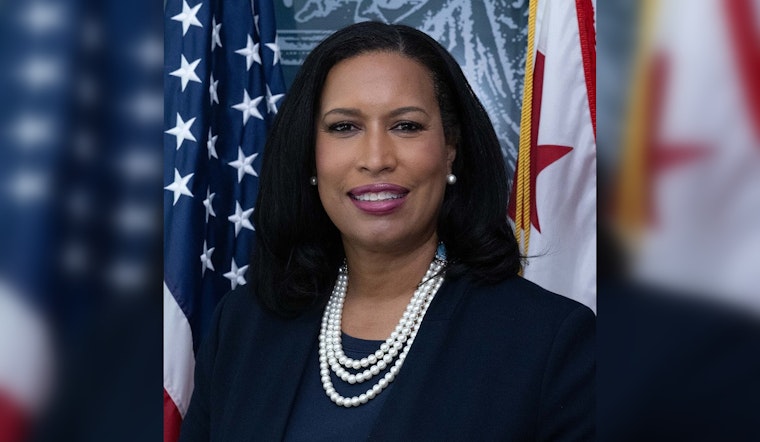
Mayor Muriel Bowser is moving to tighten how Washington spends its money, rolling out a pair of bills she says will cut red tape and keep more government work in District hands.
On March 3, 2026, Bowser unveiled two measures aimed squarely at the city’s procurement maze. The Supporting Local Business Enterprises Amendment Act of 2026 is pitched as a clean-up of certification, subcontracting and payment rules, while the Procurement Reform Amendment Act of 2026 would speed up approvals and add new legal safeguards that officials say protect taxpayers and expand opportunities for Certified Business Enterprises (CBEs).
The administration is folding both bills into a broader Growth Agenda that is supposed to keep jobs and dollars in the District and make the bid process more predictable for vendors. “When government buys better, our whole city benefits,” Chief Procurement Officer Nancy Hapeman said in a statement from the mayor’s office, which laid out the plan in detail via the Executive Office of the Mayor.
Tighter CBE Rules and Faster Payments
The Supporting Local Business Enterprises Amendment Act sharpens the definition of who counts as a bona fide local business and closes several loopholes that have drawn complaints from smaller firms. The bill would:
- Tighten who can qualify as a local company for CBE purposes.
- Extend CBE subcontracting requirements to nonprofit prime contractors, so they have to meet local-participation targets too.
- Ban “self-subcontracting,” blocking beneficiaries from counting work done by firms they own toward CBE goals.
On the money side, it would require beneficiaries to invoice the District at least every 30 days and to pay their subcontractors promptly, a shift that could help small firms that live and die by cash flow. It also sets up a delta-based shortfall penalty, which essentially forces a beneficiary that misses its subcontracting requirement to pay the difference, according to materials from the Executive Office of the Mayor.
Procurement Changes Aim to Move Projects Faster
The companion Procurement Reform Amendment Act is aimed at unclogging the project pipeline without blowing up oversight. The proposal would:
- Allow group approvals for annual programs, District Supply Schedule purchases and capital vehicle acquisitions, which city officials say would let projects start sooner.
- Let the Council review contracts while in recess so deals are not stalled purely by calendar quirks.
- Raise the ceiling for noncompetitive small procurements to $25,000.
The bill also tries to slam the door on contract provisions city lawyers view as risky. It would make contractor indemnities to the vendor, automatic renewals that obligate future funds and binding arbitration clauses that move disputes out of D.C. courts all void as a matter of law. The idea is to shield taxpayers while still giving local vendors clearer lanes to do business, according to the Executive Office of the Mayor.
Record Green Book Goal and RFK Opportunities
The legislation arrives just after the administration released the FY26 Green Book, which stakes out a record $1.5 billion annual spending goal with small and local businesses and flags the RFK campus redevelopment as a major pipeline of procurement opportunities. DSLBD Director Rosemary Suggs-Evans has described the Green Book as “a commitment to clarity, access, and accountability,” and city leaders argue that pairing that visibility with procurement reform should help CBEs position themselves for larger projects.
The record spending target and Suggs-Evans’ framing are detailed in materials from the Executive Office of the Mayor, while the RFK angle and the push for firms to get ready for that work are fleshed out in local coverage urging CBEs to get RFK ready.
What Small Firms Should Watch
For small contractors and CBEs, the homework starts now. Businesses will want to confirm or pursue certification, look hard at joint-venture agreements to make sure work shares line up with ownership stakes and track agency solicitations tied to the Green Book and RFK-related projects.
If the Supporting Local Business bill passes as written, the invoicing and prompt-payment rules should smooth out cash flow for subcontractors. The procurement tweaks, especially the higher small-purchase threshold and group approvals, are meant to cut administrative lag on smaller buys so firms that win work can get on site faster.
Legal Safeguards and Next Steps
The contract-term bans in the procurement bill, particularly on indemnities that favor contractors, certain automatic renewals and binding arbitration, are framed as guardrails for taxpayers. If the Council adopts the measure, lawyers on both sides of the table are likely to pick apart how the new voiding language gets applied in real-world deals.
Businesses that want to stay ahead of the curve can dig into the draft bill text and related materials in the administration’s filings and keep an eye on Council actions and DSLBD guidance, which will spell out the rules of the road once any new law takes effect.





_(cropped).jpg)