

























































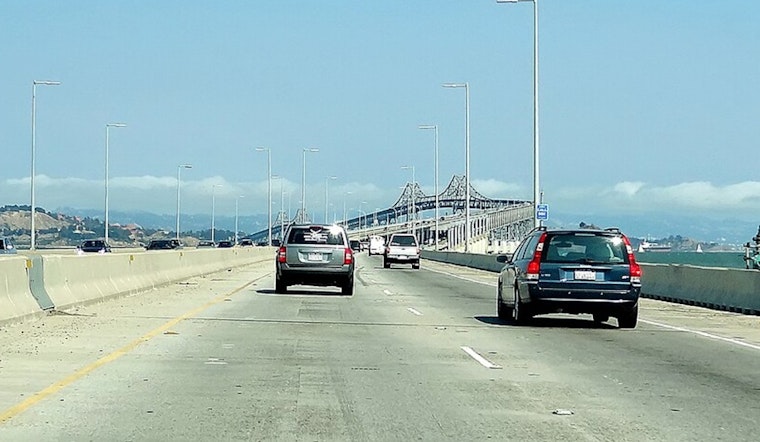
The Richmond–San Rafael Bridge is stepping into the spotlight again, as transportation officials launch the next phase of a high-stakes regional test over who this span really serves. A newly approved study plan is clearing the way for a multi-year equity and feasibility analysis that will mix automated counters, surveys, interviews and workshops to figure out whether the upper-deck bike and pedestrian path should stay as is, get reconfigured, or be handed back to peak-period vehicle traffic. Planners say they will weigh safety, travel times and equity trade-offs before any long-term changes land on the table.
As reported by the Marin Independent Journal, the study methodology was approved last Monday, and Caltrans and the Bay Area Toll Authority have selected the Transportation and Sustainability Center at UC Berkeley to lead the work. Project staff told the paper the analysis will look closely at potential equity impacts on drivers, cyclists, pedestrians, nearby residents and other vulnerable populations. The approved plan calls for a mix of automated counters, a community equity survey, targeted interviews, focus groups and public workshops that will inform any future permit amendment.
Caltrans District 4 details the current modified pilot schedule and operations: the upper-deck path is open from Thursdays at 2 PM through Sundays at 11 PM, and a movable barrier is shifted during weekday closure hours to create a shoulder lane. Caltrans also notes that a free shuttle operates roughly from 6 AM to 8 PM on days the path is closed, carrying cyclists and pedestrians across the bridge. The agency frames the pilot as one piece of the broader Westbound Improvement Project and says the equity findings will feed into environmental review and design decisions.
Timeline and review steps
The San Francisco Bay Conservation and Development Commission set permit conditions that require annual reports and a formal presentation of pilot findings. Staff directed that a written report and oral briefing be delivered to the commission by Dec. 31, 2028. Those deadlines are tied to contingencies in the permit that would either allow the modified pilot to continue or require a return to full-time public access if the Westbound Improvement Project does not advance on schedule. Agency officials told local reporters that an interim report is expected ahead of the 2028 presentation and that a final proposal could extend into 2030 as CEQA and design work wrap up.
How the study will measure use and equity
The equity study will lean on both numbers and narratives, combining automated counters with surveys and interviews to build a picture of who uses the bridge and how. Preliminary counter data reported by the Marin Independent Journal showed about 840 bicycle trips on March 8, 2026, and roughly 570 trips the day before. Earlier pilot counts have swung widely, from single-digit days to peaks of several hundred riders.
According to that reporting, outreach plans include a general population survey with up to 2,000 responses, a community equity survey with up to 400 respondents, and targeted quotas for cyclists, drivers and Richmond residents. The team is also planning up to 40 stakeholder interviews along with dozens of small-group discussions and workshops aimed at surfacing local concerns that raw traffic data might miss.
Local reaction
The latest proposal is pouring fuel on an already heated debate. Business and labor groups, along with some Marin leaders, argue that weekday vehicle capacity should be restored to ease commutes and freight movement. Cycling coalitions and community advocates counter that limiting the path during the week would undercut access for Richmond residents and chill efforts to promote active transportation.
Coverage from KTVU captured calls from business leaders and organizations to reopen the lane to motorists, while Bike East Bay and allied groups have been pushing to preserve or expand hours for the multi-use path. Both camps say they are watching the data collection and upcoming workshops closely.
What’s next
Over the next two years, the study team is set to roll out surveys, focus groups, and public workshops as part of the methodology and CEQA processes. Agencies say meeting notices and shuttle updates will appear on project pages and outreach portals as the work moves ahead. Caltrans and BATA have said the equity analysis will guide any long-term permit amendment or construction plan, with public feedback folded into environmental and design decisions.
For now, the modified pilot schedule and shuttle service remain in place while the bridge’s future continues to be hashed out in meeting rooms, workshops, and survey forms on both sides of the bay.




.jpg)