

























































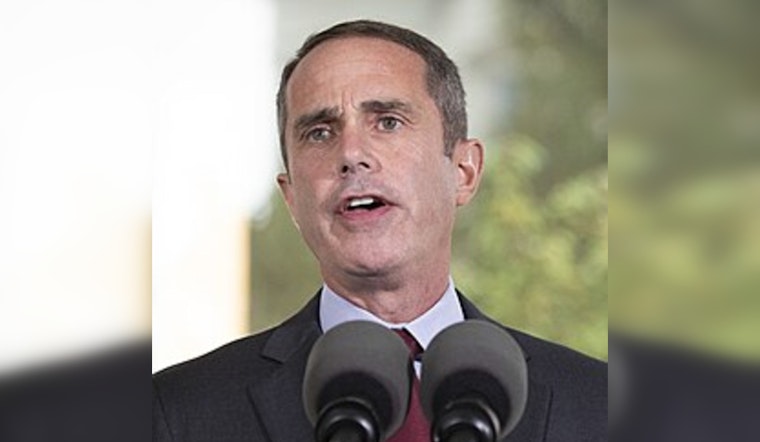
State Sen. Steven Santarsiero is trying to turn anger over the 2025 Twin Oaks jet fuel leak into a concrete cleanup plan. On Feb. 27, 2026, he filed Senate Bill 1157, the Pennsylvania Environmental Cleanup and Responsibility Act, to spell out who is responsible when pipelines or other facilities discharge hazardous substances and to force faster cleanups. The legislation follows the Twin Oaks jet fuel leak near the Mt. Eyre neighborhood in Upper Makefield, which contaminated private wells and has left residents scrambling for bottled water.
What the bill would do
Filed on Feb. 27 as SB 1157, the measure would add a new chapter titled “Spill Response and Residential Environmental Protection” to the state's Hazardous Sites Cleanup Act and would make responsible parties strictly liable for discharges, according to LegiScan. The filing lists Santarsiero as prime sponsor, backed by a slate of Democratic co-sponsors, and sends the bill to the Senate Environmental Resources & Energy Committee for its first review.
Key provisions in the bill text
Under the bill, any “responsible person” would be required to move immediately to contain and clean up a discharge and would remain liable until state officials determine that residential standards have been met, including protections for drinking water, soil and indoor air. The proposal sets out tight deadlines: immediate containment, a preliminary site assessment within 30 days and a remedial investigation within 90 days. It also authorizes the Department of Environmental Protection to issue directives and, if needed, to step in, complete the work and recover costs, with the possibility of treble damages and penalties that would be deposited into the Hazardous Sites Cleanup Fund, according to the bill text on the Pennsylvania General Assembly.
Why lawmakers say it's needed
Santarsiero has pitched the measure as a way to make cleanup obligations crystal clear and to keep neighborhoods from waiting months for answers about their water. “The polluter, not the taxpayer, pays,” he said at the bill’s rollout. Details of that press conference and the legislation were reported by PA Environment Digest.
Backstory: Twin Oaks leak and local fallout
The effort traces back to the Twin Oaks jet fuel leak discovered Jan. 31, 2025, in Upper Makefield's Mt. Eyre neighborhood, which officials say contaminated private wells and triggered emergency response efforts. The Pennsylvania Department of Environmental Protection ordered Energy Transfer/Sunoco to provide bottled water and install point-of-entry filtration systems for affected residents, according to PA DEP. Federal pipeline regulators also opened enforcement activity and entered into a consent agreement as the investigation moved forward, according to PHMSA.
What happens next
SB 1157 has been formally introduced and is now before the Senate Environmental Resources & Energy Committee, where members will decide whether it advances to the Senate floor. The bill's sponsors and current status are listed on the legislature's tracking pages, according to the Pennsylvania General Assembly. The committee is chaired by Sen. Gene Yaw, with Sen. Carolyn Comitta serving as minority chair, according to the Senate committee listings.
Legal and enforcement outlook
If enacted, the law would give DEP explicit authority to step in when a responsible party fails to act, complete the cleanup and then recover the costs, including treble damages in some cases, while directing penalties and recoveries into a dedicated cleanup fund. Energy Transfer's public filings report that the company entered into a Consent Order with PHMSA and that civil lawsuits and referrals to the Pennsylvania Attorney General's Office are part of the legal fallout from the spill, according to the SEC.
Supporters call SB 1157 a technical fix that would move Pennsylvania's response closer to New Jersey's Spill Act, while industry and some rural lawmakers may push back on the potential liability and cost implications. Advocates in Bucks County say the measure, even at the committee stage, signals to residents that lawmakers heard their complaints after the Upper Makefield leak.





.jpg)