

























































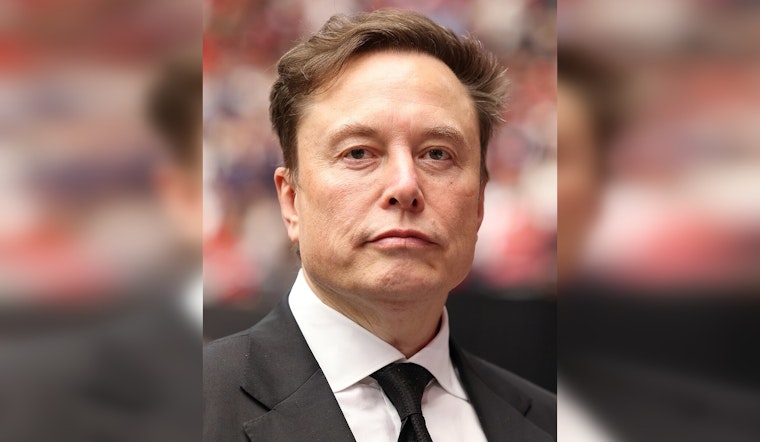
Senate Democrats are turning up the heat on Elon Musk, demanding a full accounting of his contacts with top Treasury officials after the department abruptly hit pause on a major corporate transparency law. The move is already shaping up as a test case for how much private influence can tilt federal policy, and it has fast become the latest oversight brawl on Capitol Hill.
According to The New York Times, senators and House Democrats led by Sen. Elizabeth Warren have asked Treasury Secretary Scott Bessent to hand over emails, text messages and phone logs between Musk and Treasury officials, with a deadline of April 13, 2026. Their letter says they want to know whether Musk’s outreach played any role in the decision to suspend enforcement of the Corporate Transparency Act.
Treasury announced on March 2, 2025, that it would suspend enforcement of the Corporate Transparency Act, the law that requires companies to report their beneficial owners to the Financial Crimes Enforcement Network. The department also signaled it intended to narrow those reporting requirements to foreign-formed entities, according to the Treasury Department. That shift, along with an interim rule that followed, meant many domestic companies were suddenly off the hook for penalties the law originally carried.
The timing set off alarms because Musk was serving as a senior adviser inside the White House when the pause was announced, and his Department of Government Efficiency, known as DOGE, had been pushing for access to agency systems. The Treasury inspector general has opened an audit of DOGE’s access to the federal payment system, saying the review will examine which systems were accessed and for what purpose, according to the Associated Press.
The New York Times had previously reported that Musk operated at least 90 private companies in Texas and that limited-liability entities tied to him could obscure ownership. Democrats say that backdrop turns what might look like a technical tweak into something much bigger. In their view, the pause gave a real-world advantage to people who rely on opaque ownership structures, and they want the paper trail to see whether that advantage was ever discussed with Treasury officials.
What Democrats Are Demanding
The lawmakers’ letter asks for every communication between Musk and Treasury officials related to the Corporate Transparency Act and associated rulemaking, along with a detailed explanation of how the department arrived at its decision. In a minority press release, Senate Democrats warned that the shift was “seemingly triggered by a single Elon Musk social media comment” and pressed Secretary Bessent for answers, according to the Senate Banking Committee.
Legal and Oversight Stakes
FinCEN formalized the narrowed approach by publishing an interim final rule that limits the Corporate Transparency Act’s reach to foreign reporting companies in the Federal Register. That regulatory move is the legal backbone of the current inquiry. Democrats and anti-money-laundering advocates argue that trimming the law in this way risks opening fresh loopholes for illicit finance, and the inspector general’s audit is already examining whether sensitive systems were mishandled, according to reporting by the Associated Press. If the requested records point to improper influence or conflicts of interest, lawmakers say they are prepared to escalate to subpoenas and formal oversight hearings.
What those documents show will determine whether this is a brief oversight flare-up or the opening chapter of a longer investigation into how administration decisions intersect with private business interests. The Washington Post has noted that Musk’s close ties to the White House and his high-profile role in DOGE make any whiff of influence especially volatile politically, and congressional committees are signaling they intend to follow the paper trail wherever it leads.



_(cropped_4).jpg)