

























































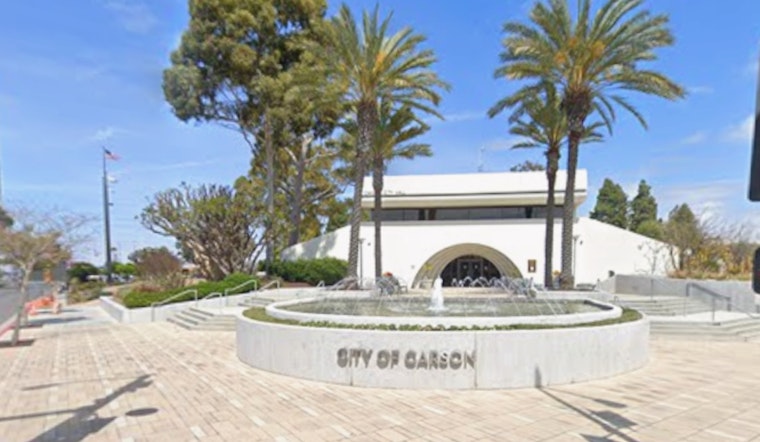
Attorneys for the city of Carson say there was nothing unusual about the decision to fire former council aide Justin Battle, describing it as a straightforward call based on his performance and work schedule. Battle, in a lawsuit, tells a very different story, alleging he was terminated after refusing to run personal errands for District 4 Councilwoman Arleen Bocatija Rojas and to monitor other officials and family members. What started as an internal personnel dispute has now spilled into court filings and closed-session agendas at City Hall.
City attorneys ask judge to toss the suit
The city has asked a judge to dismiss Battle’s lawsuit for lack of triable issues, arguing that his firing was tied to limited availability and job performance, not whistleblowing, according to MyNewsLA. City lawyers say Battle worked a second job whose hours overlapped with the council office’s need for an aide to be available after 3 p.m., and that his six-month probationary review in November 2023 concluded he had not met required standards. In the city’s telling, this was a routine staffing decision rather than retaliation.
What the lawsuit alleges
Battle’s complaint paints a very different picture, listing a series of alleged personal errands that he says had little to do with serving the public, as reported by Our Weekly. According to the suit, he was told to pick up the councilwoman’s daughter, collect dry cleaning, mow her lawn, arrange vacations, and was instructed to "not use the office" so those tasks would not be noticed. The complaint also alleges that Rojas directed him to monitor the comings and goings of Councilman Jim Dear and to watch Dear’s partner, and that he was told to use a Los Angeles Police Department tool to check the councilwoman’s daughter’s email and phone activity. Battle says he repeatedly reported these alleged demands to Assistant City Manager Robert Lennox and refused to carry out orders he believed were improper.
Aide's employment timeline
Battle "was hired in 2019 as a recreation assistant," the lawsuit states, according to Our Weekly. The complaint says he was promoted to administrative intern in June 2022, then elevated to council aide in March 2023. He allegedly completed a six-month probationary period before being terminated in November 2023. Battle contends the stated performance and scheduling reasons were a pretext and that he was really let go because he refused to perform the personal or allegedly unlawful tasks described in the suit.
Where the case stands
City meeting records list the litigation as "Justin Battle v. City of Carson; Case No. 24STCV17820," signaling that the matter has appeared on closed-session agendas and is being treated as active legal business by city officials. Its presence on those agendas underscores that the city is handling the dispute through its legal channels, with those entries visible in the minutes published by the City of Carson. For now, the fight is unfolding in civil court rather than in open council debate.
Legal context and what it could mean
Battle’s complaint alleges violations of state labor law and retaliation. California’s whistleblower protections broadly prohibit employers from retaliating against workers who disclose or refuse to participate in unlawful conduct, and those laws can allow for remedies such as reinstatement and damages. The state’s model notice and guidance on those protections are laid out by the Division of Labor Standards Enforcement in its materials on Labor Code section 1102.5. City filings, however, maintain that Battle’s termination was a performance-based action tied to his probationary evaluation and scheduling conflicts, a position the city has advanced in court papers, as reported by MyNewsLA.
The case remains active in Los Angeles Superior Court and continues to appear on the city’s closed-session materials, indicating it will move forward in the courts unless the judge grants the city’s request to dismiss. Residents and local political watchers are likely to keep an eye on whether the court allows discovery to go forward or ends the suit at the pleading stage, a process reflected in the meeting records of the City of Carson.




