

























































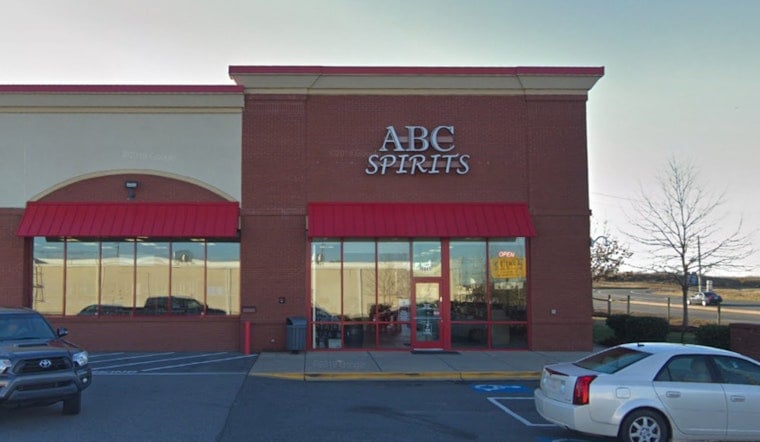
Mecklenburg County is sitting on the liquor throne in North Carolina, with its ABC stores racking up roughly $280 million in gross sales across fiscal years 2024 and 2025. That is about 26% more than Wake County and a reminder that the state’s government-run liquor system still moves serious volume, funnels money into public budgets, and quietly reveals what shoppers are actually drinking. Those same figures are now fueling new questions about how well the statewide distribution system is keeping up and which brands are really driving the boom.
According to a performance audit from the North Carolina Office of the State Auditor, Mecklenburg County’s ABC stores booked $280,085,705 in gross sales across fiscal years 2024–25, while Wake County logged $222,276,672. The report says the ABC system generated $713 million in public revenue in FY24 and $696 million in FY25, with those dollars flowing to the state general fund, counties, alcohol-education programs and law enforcement. In the audit appendices, product-level tallies show Tito’s Handmade Vodka alone moved more than 300,000 cases over the two-year span.
Tito’s And Vodka Brands Dominate The Top-Seller List
Product summaries reported by Queen City News show just how dominant Tito’s is. The 1.75-liter Tito’s Handmade Vodka moved roughly 165,150 cases and the 0.75-liter size about 92,102 cases, while Don Julio Reposado also posted strong numbers near 92,060 cases. Vodka-based spirits accounted for six of the top seven best sellers, and ready-to-drink packs such as High Noon cracked the top 10. With that kind of volume clustered in a handful of brands, it becomes easier to see how Mecklenburg’s 31 ABC locations can outpace smaller boards around the state.
Audit Flags Delivery Gaps, Calls For Stronger Oversight
The state performance review also took a hard look at the ABC warehousing and distribution contractor and found LB&B Associates was not consistently hitting its marks. The company averaged about 96.4% on-time deliveries, below contract targets, and missed a required weekly fill rate. Carolina Journal reports that auditors recommended contingency plans, stronger fleet maintenance, and tighter monitoring of key performance indicators to avoid product shortfalls in busy seasons. The findings highlight how basic logistics can determine what actually ends up on store shelves, especially around holidays and other peak periods.
What This Means For Charlotte Shoppers
On the home front, the Mecklenburg County ABC Board has been trying to make it easier to buy all those popular bottles. The board has rolled out an ABC To Go app across stores and is exploring curbside pickup and other convenience-focused options, moves officials say are meant to keep up with demand and cut down on hassle at pickup. Axios Charlotte notes that board leaders also point to the broader public upside: ABC profits help pay for local programs, including alcohol education and libraries. With customer preferences heavily concentrated in a few blockbuster brands, auditors say shoring up distribution reliability needs to stay a priority so Charlotte residents and local businesses can actually find those top sellers on the shelves.





