

























































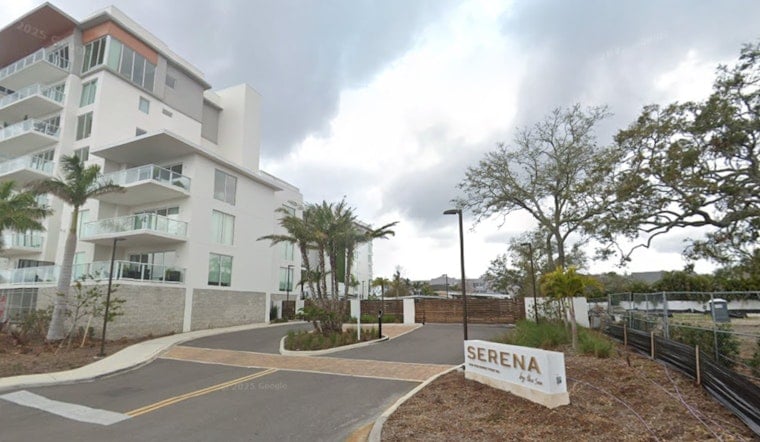
A relatively small cash donation has turned into a big political storm in Clearwater, where a proposed set of nine private boat slips on Stevenson Creek at the Serena by the Sea waterfront complex is under intense scrutiny. Neighbors and manatee advocates say the payment greased the skids for a key state review and could undercut years of costly restoration work in the fragile estuary.
Documents obtained by WTSP show that developer Valor Capital contributed $24,300 to an aquatic-preserve organization as part of its public-interest materials for the dock project. According to those records, the Florida Department of Environmental Protection reviewed the submission and then sent the proposal back to the Southwest Florida Water Management District for further evaluation.
Permits Stacked Across Agencies
The City of Clearwater's Community Development Board has already signed off on the general dock concept, but the deal is far from done. County and state approvals are still outstanding, with Pinellas County's Water and Navigation division and the Southwest Florida Water Management District, known as SWFWMD, both running their own reviews.
Bay News 9 reports that SWFWMD requested a wildlife survey, asked for the project's public-interest proposal, and scheduled a site visit as part of its permit decision process.
Neighbors Raise Alarms
People who live along Stevenson Creek and members of the Stevenson Creek Advocacy Group argue that the nine proposed slips and boat lifts would funnel motorized traffic into a narrow, sensitive stretch of water that has finally bounced back after years of cleanup.
"We don't want to see it turned into a marina," group Vice President Mike Foley said. Group leaders told FOX 13 that roughly $100 million has already been invested in restoring the creek, and they fear the project could undo a chunk of that progress.
Valor Capital contends the dock plan meets environmental standards and will not damage key habitat. In a statement reproduced by FOX 13, the company said that "several studies were done to confirm no sea grass is within the areas of the proposed docks" and emphasized that the slips would be small and that boats would be lifted out of the water when not in use.
Donations as a Path to Public-Interest Findings
Project opponents say the donation at the center of the controversy highlights a deeper problem. They argue that treating a check as the public-interest component of a permit tilts the system toward developers and away from actual habitat protections.
Records reviewed by WTSP show officials concluded the $24,300 contribution, paired with signage, was enough to satisfy the public-interest test for the Stevenson Creek proposal. Those same files note that a similar contribution of roughly $30,000 was accepted in 2024 for work near Lemon Bay in Englewood, according to permit records.
What the Law Requires
Florida rules for sovereignty, or submerged, lands require that activities carried out on those lands be "not contrary to the public interest." State regulations define that phrase as requiring "demonstrable environmental, social, and economic benefits" that clearly outweigh the costs. The Florida Administrative Code instructs the Board of Trustees to balance those benefits and costs when deciding whether to approve activities such as docks on submerged lands, which leaves significant room for interpretation in close calls.
The Serena by the Sea dock package still needs sign-off from several layers of government, and the developer has said it has already sent materials to federal reviewers as well. Local advocates say they plan to keep pressing through appeals and public-comment periods as the reviews unfold, while regulators decide just how far monetary contributions can go in standing in for concrete public benefits.





