

























































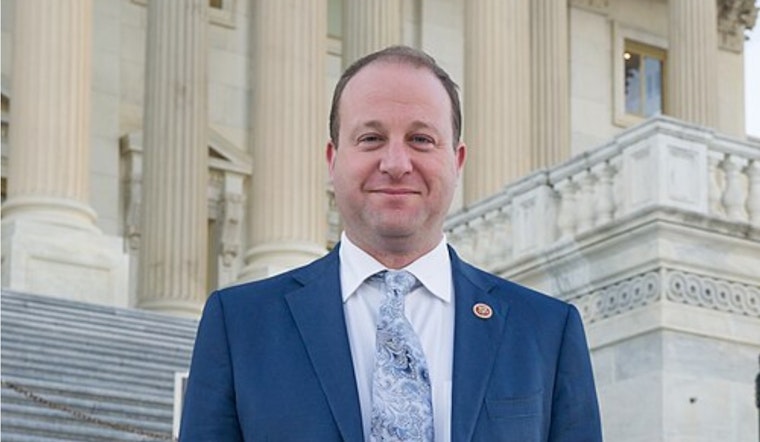
Gov. Jared Polis has thrown Colorado's weight behind a 19-governor push urging Congress to walk away from efforts to lock recently invalidated tariffs into federal law. The group of governors warns that cementing those levies would bake in higher prices and deepen uncertainty for families, farmers and small businesses. Polis' move puts Colorado squarely inside a coordinated state-level campaign to press Congress to reassert authority over trade policy.
Governors send letter to congressional leaders
On Wednesday, the governors sent a joint letter to congressional leaders asking lawmakers to "cast aside any efforts to codify the invalidated levies" and to put statutory guardrails on presidential tariff power, according to the Connecticut Governor's Office. Addressed to Senate Majority Leader John Thune and House Speaker Mike Johnson, the letter lists 19 signatories and presses Congress to restore oversight before any new tariff policy gets written into law. The governors say the push is about shielding families and businesses from what they argue are the economic harms those levies have already caused.
What the courts have said
The U.S. Supreme Court held in Learning Resources, Inc. v. Trump that the International Emergency Economic Powers Act does not authorize sweeping tariffs, according to Justia. A federal appeals court recently declined to delay implementation of the high court's ruling, clearing the way for lower courts to move ahead on refund claims, per CBS News. Put together, the decisive ruling and the denial of a broad stay have left policymakers weighing whether Congress should step in with new rules or leave courts and agencies to sort out relief.
Colorado impact
Colorado officials point to a September analysis from the Office of State Planning and Budgeting that estimated elevated tariffs cost the state's agricultural sector about $80 million in GDP and roughly 265 jobs, according to the Governor's Office. The OSPB report also projected declines in General Fund revenue that state leaders say could squeeze schools, public safety, and infrastructure if tariffs stay in place or are ultimately written into statute.
Polis' message
"Governors across the country are witnessing the same thing: higher prices for families and greater uncertainty for businesses," Polis said as he signed on to the letter, according to Colorado Politics. He added that Congress should protect Americans from higher costs and restore accountability and stability to the trade system rather than "raising prices through broad tax hikes like tariff increases."
Legal and political next steps
The governors' letter challenges Congress to either refuse to codify the levies or draft clear statutory limits on unilateral presidential tariff power, leaving lawmakers with a politically loaded choice. Courts are already moving on refund claims and lower court litigation, and businesses and importers are watching closely as judges and agencies shape relief, according to NBC Boston. For Colorado, Polis' sign-on signals that he will keep pressing a state-first argument that tariffs function as a regressive tax on families and on industries that rely on stable trade ties.




