

























































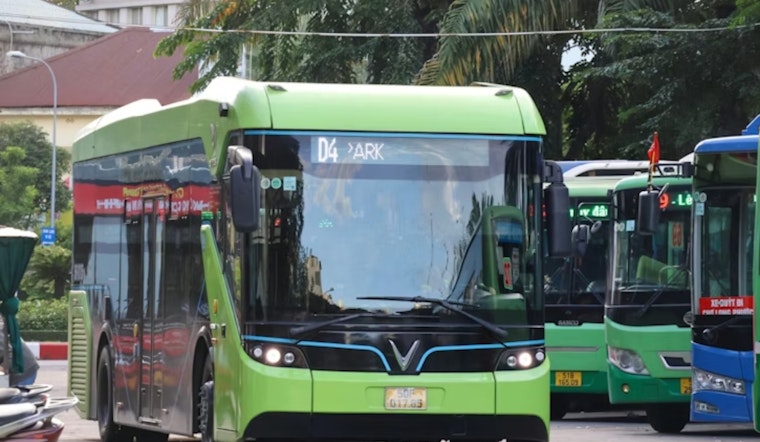
COTA is hitting pause on its planned battery-electric bus buildup and steering new purchases back to compressed natural gas, the transit authority told local reporters. For riders in Columbus who lean on the bus to get around, that means more CNG coaches rolling out this year as the agency regroups after repeated reliability issues with its early electric fleet. The course correction has immediate impacts on daily service and raises fresh questions about how COTA will still hit its climate goals.
"The electric vehicles we have do not perform as well as our compressed natural gas vehicles," COTA spokesperson Jeff Pullin said, according to Columbus Underground. Pullin told the outlet that manufacturer estimates of roughly 150 miles per charge have not held up across all seasons and that recalls and parts delays have kept a significant share of the 50-vehicle electric fleet parked and waiting for repairs instead of picking up passengers.
COTA Orders More CNG Buses
Pullin said the agency is shifting its immediate buying plans to compressed natural gas: 38 new CNG buses are set to arrive this summer, with another 38 expected to be purchased later this year and delivered in 2027, according to Columbus Underground. COTA says it is zeroed in on keeping service dependable for riders and notes that diesel buses have already been removed from revenue service.
Climate Goals at Stake
COTA's planning and sustainability documents had laid out an interim target for a zero-emission fixed-route fleet and a net-zero greenhouse-gas goal by 2045, so the short-term pivot to CNG changes the route the agency will take to get there. As described in COTA's capital improvements program and sustainability materials, electrification remains a long-term objective, but technical troubles and supply chain snags have forced a temporary reset; see the COTA CIP for the earlier roadmap.
Reliability Headaches Are Not Unique
Other transit agencies have been wrestling with similar growing pains as they roll out battery-electric buses, with issues such as overheating batteries, weaker-than-expected range and long waits for replacement parts sidelining vehicles and forcing delays or renegotiation of electric orders, according to reporting by Streetsblog. That national backdrop helps explain why COTA officials say they are protecting day-to-day reliability even while they keep working on charging infrastructure.
Riders and Service
COTA says overall on-time performance improved to roughly 81 percent in 2025 from about 77 percent in 2024, even as some riders point to no-shows and late or cancelled trips that they attribute to electric buses being out of service. The agency told reporters it is hiring more operators and adding vehicles, and it plans to install pantograph chargers at the Northland, Easton, Spring Street and Westview transit centers in 2026 to enable on-route charging and make better use of electric buses when they are available.
What to Watch
In the coming weeks, riders should see more CNG buses entering service while COTA continues building out on-route charging that could bring more electric vehicles back into the regular rotation. The situation highlights a familiar transit tradeoff: agencies often have to hedge against technology and supply risks to keep buses showing up today, even when their long-term climate commitments are pointed firmly toward electrification.





