

























































Dallas residents are being hit with a slick new scam, and it looks just official enough to fool you: text messages dressed up as municipal-court notices, complete with hearing dates, the downtown court address, and a QR code that demands immediate payment.
Dallas police said yesterday that several people have already been duped into scanning the QR code and sending money through the bogus link.
What Dallas police say is going on
According to the Dallas Police Department, the texts include an image resembling an official municipal court notice and instruct recipients to either attend a hearing or scan a QR code to pay a civil penalty.
The Dallas Police Department is warning the public about a scam involving fraudulent text messages claiming to be from Municipal Courts.
— Dallas Police Dept (@DallasPD) March 20, 2026
These messages instruct recipients to make payments through a QR code. This is a scam.
We have received reports of individuals:
• Going to… pic.twitter.com/LtrLM3s0h7
The department says investigators are working with partners to stop the scam and is urging anyone who has already paid via the QR link to contact their bank or credit card company and file a report with the police.
What the real court actually does
Per the City of Dallas Municipal Court, legitimate summonses arrive by mail, in letter form. The court does not send unsolicited text messages demanding payment and directs people to use only its official payment portals.
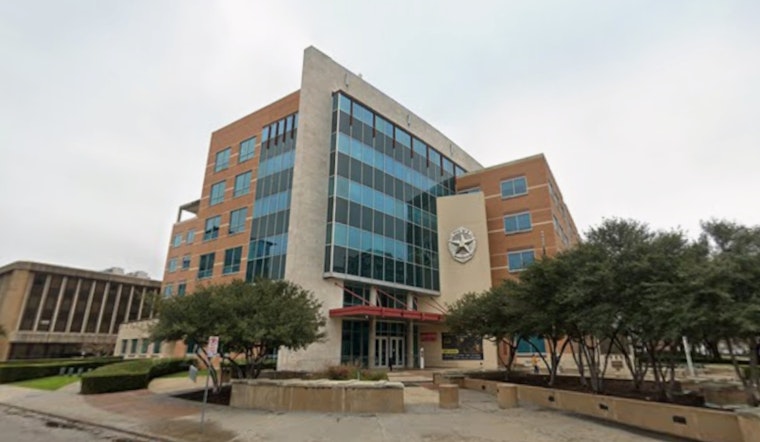
The sample image shared in the Dallas Police post lists the Dallas Municipal Court at 2014 Main St., which is the court’s downtown address, but the notice itself is fake.
Not just Dallas: similar cons across the country
Cities elsewhere have sounded the alarm this month over lookalike text schemes involving supposed unpaid tolls or parking tickets, often topped with a bold “Notice of Hearing,” fake case numbers and a QR code for quick payment.
Reporting on these scams notes that courts will not demand immediate payment by text and that the QR codes frequently send victims to fraudulent payment pages, as reported by the Boston Globe.
How to protect yourself
If one of these texts hits your phone, the guidance from authorities is simple: do not scan the QR code, do not reply and do not send money. Delete the message instead, and verify any supposed citation by contacting the court directly using phone numbers or websites you already know or can independently confirm.
The Federal Trade Commission outlines how to report spam texts: forward suspicious messages to 7726 (SPAM) and file a complaint at ReportFraud.ftc.gov. The Dallas Police post also advises anyone who paid a scammer to immediately contact their financial institution and report the incident to police.
Why QR codes are catnip for scammers
Security researchers refer to QR-based phishing as “quishing,” since the codes hide their destination until you actually scan them. That invisibility lets attackers quietly funnel victims to convincing fake payment portals or even malware downloads.
Threat-monitoring firms and security outlets have warned that quishing is on the rise and that any unsolicited QR code, whether in a text, email or printed notice, should be treated as suspicious until verified.
Dallas police say they are actively investigating the local incidents and working with partners to disrupt the operation. Anyone in Dallas who believes they were targeted or paid money can report it to police and their financial institution, and anyone receiving one of these texts is urged to forward it to 7726 and report it at ReportFraud.ftc.gov.





