

























































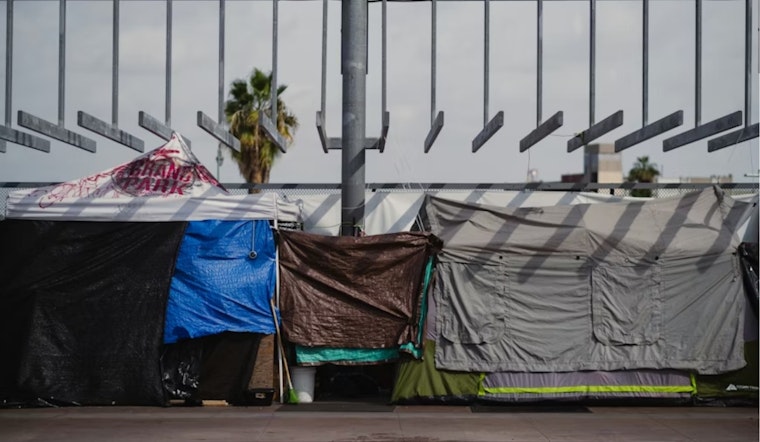
Denver City Hall has a new fight on its hands, and it is not about policy so much as paperwork. The mayor and the city auditor have gone public over a fresh financial review that says the mayor's signature homelessness initiative cost taxpayers about $20 million more than the city had been telling everyone. On one side is the mayor's team, pointing to people moved indoors. On the other is the auditor, pointing to the books.
Audit Finds A $20 Million Gap
The Denver Auditor's review concluded that the All In Mile High initiative spent $178.1 million from July 2023 through June 2025, roughly $20 million more than the $158 million the city had previously reported. Auditors say the difference stems in part from expenses that were not tagged to the program, along with missing documentation and questions about why sole-source contracts sent large sums to a small group of providers.
Pushing back, the mayor's deputy chief of staff argued the program should be judged by who it helped, not just how it was coded in the system. "Thousands of people moved off the street. " Thousands of people moved into housing," the deputy said, according to Denverite.
Program Background And Earlier Warnings
Mayor Mike Johnston launched the initiative - originally called House1000 - on the first full day of his term in 2023, pitching it as a fast-track plan to get people indoors. Supporters cite the placement numbers and a steep drop in visible street homelessness. At the same time, auditors and watchdog reporters have been warning for months that HOST's tracking systems and contract oversight have not kept pace with the money flowing through the program. Those earlier red flags were reported by Colorado Politics.
City's Counts And The Dashboard Change
City materials tout roughly 7,300 people moved into housing and about 8,300 into shelter, and they point to an estimated 45% drop in unsheltered homelessness based on point-in-time data. The auditor's report, though, notes that in April 2025 the city changed its public homelessness dashboard and stopped tracking several outcome measures, including deaths, jailings and returns to the street. Auditors say that step makes it harder for anyone outside City Hall to independently verify how the program is really performing.
Those dueling numbers and the dashboard overhaul are laid out in reporting by Denverite.
Contracts, Security And Accountability Questions
The audit also zeroed in on how Denver picked some of its service providers. Sole-source contracts with The Salvation Army and the Colorado Coalition for the Homeless raised questions, with auditors saying the city could not fully document why those no-bid awards were necessary. Reviewers also found invoices that lacked supporting paperwork and even some duplicate payments.
Safety was another sore spot. The report highlighted incidents at a shelter in the former DoubleTree hotel, where contracted security did not meet expectations and the city had to intervene. Those contract and security concerns were detailed by Westword.
What's Next
Auditor Tim O'Brien has signaled his office will dig deeper into All In Mile High as part of its audit cycle, a move that could lead to more formal recommendations and fresh questions from the City Council during budget hearings. With Denver already wrestling with a tight budget and previous audits raising red flags, the showdown is putting more pressure on the city to produce an auditable trail for its largest homelessness contracts and expenses.
Coverage of the ongoing review and the financial backdrop has appeared in reporting by Axios Denver.
For now, the argument is both political and technical. The mayor's office leans on placement tallies and a lower count of people sleeping outside. The auditor keeps asking for clearer tagging, more rigorous contracts and complete documentation so taxpayers can follow the money. If the city manages to align its public dashboard with a clean accounting trail, it could quiet the dispute, at least until the next budget season rolls around.





