

























































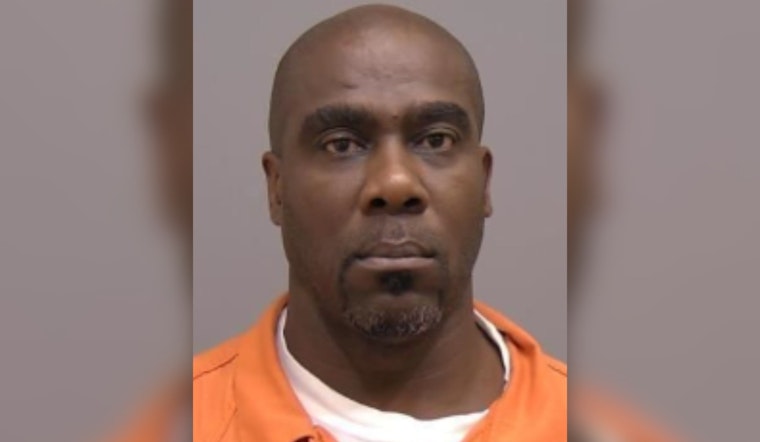
Stacey Culbert, once nicknamed "The Machine" during Detroit's crack-era bloodshed, is back in the federal spotlight. Prosecutors say he took part in a cocaine trafficking conspiracy, dragging a name long tied to the Best Friends street-gang cases out of the 1990s and into a new federal file. For neighborhoods that remember that era all too well, the allegation lands like an echo from one of the city's ugliest chapters.
According to a federal complaint detailed by The Detroit News, Culbert is accused of distributing cocaine as part of an alleged conspiracy. The complaint also notes that he has owned a trucking company based in Grosse Pointe Park. For now, prosecutors have laid out allegations on paper. Any indictment, arraignment, or additional charges will have to show up on the public federal docket as the case moves forward.
From Best Friends Enforcer To The Federal Docket
Culbert's reputation in Detroit did not appear overnight. In the early 1990s, contemporaneous news coverage and federal filings portrayed him as an enforcer and hit man for the Best Friends gang, one of the most feared outfits of that period. A 1995 Detroit Free Press account, along with archived federal court records preserved in public defender files, describes how Culbert later cooperated with prosecutors to avoid a potential capital prosecution in that earlier case.
Legal Stakes For A Federal Conspiracy Charge
Federal drug conspiracy charges under 21 U.S.C. § 846 carry the same basic penalties as the underlying drug offense itself. How high the stakes go depends on familiar variables in federal drug law: the type and quantity of the substance, and whether the defendant has prior convictions that can trigger mandatory minimum sentences or enhancements.
A review of federal drug statutes by the Congressional Research Service, summarized on Congress.gov, explains that conspiracy convictions can lead to lengthy prison terms. Sentencing enhancements can apply when death, serious bodily injury, or prior drug felonies are involved. On top of that, prosecutors can pursue forfeiture of assets that they claim are tied to drug trafficking, a parallel financial hit that often runs alongside the criminal case.
What Happens Next
The Detroit News reports that the complaint is already on file in federal court in Detroit. The public docket will show if and when prosecutors take the next step by seeking an indictment, as well as the timing of any arraignment and the formal list of charges and evidence.
If the case advances, filings from both prosecutors and defense lawyers should flesh out the government's conspiracy narrative, the scope of the alleged trafficking activity, and any effort to connect those allegations to the business interests mentioned in the complaint. We will update this story as additional court records and official statements become available.
Why This Matters
For Culbert, the complaint represents fresh legal exposure in a system he has navigated before. For Detroit, it is a reminder that figures from the height of the city's drug-war era can resurface decades later in new federal cases. Families who lost loved ones during that period, and communities still shaped by that violence, may see this new filing as reopening long-standing questions about who is held accountable, how aggressively federal authorities chase alleged traffickers, and how far back those criminal histories reach.





