

























































BURLINGTON — School buses, trash trucks and fire apparatus have gone from routine budget lines to urgent problems as diesel prices spike. District and city officials say they are combining routes, postponing nonessential work and rethinking repairs so essential services can keep rolling while fuel costs stay unpredictable.
School fleet hit hard
The Alamance‑Burlington School System's transportation office told Spectrum News it runs 144 buses and "averages about 6,000 gallons of diesel fuel every week," a level of demand that stings more with every jump in pump prices. Emily‑Lynn Adkins told Spectrum the district had a contract that kept its cost near $2 per gallon, but recent deliveries have been closer to $4. To cope, the system is preparing to park some buses until a new fiscal year budget can absorb the higher bill.
Diesel prices jump across North Carolina
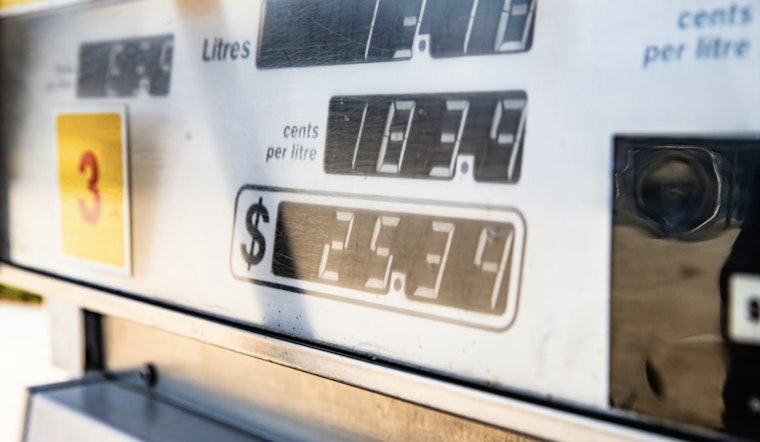
According to AAA's state price tracker, diesel averaged $5.18 per gallon in North Carolina as of March 20, and the organization reports diesel is roughly 47% higher than a month ago. That surge lands hardest on fleets that rely on diesel engines. Those higher retail costs are already squeezing school and municipal budgets and raising questions about when and how districts can absorb the increase. AAA posts the latest figures.
Other districts feeling the pinch
The pressure is not limited to Alamance County. Recent local reporting found districts from Catawba to Burke refueling buses at prices above $5 a gallon and warning that savings earlier in the school year leave them exposed to sudden spikes. Transportation directors across the state say they are tracking usage closely and planning for substantially higher fuel bills next year. WSOC documented that broader trend.
City services on watch
Burlington Public Works Director Gary Smith told Spectrum News the city has a stored supply of diesel for now, but said essentials like garbage collection and fire apparatus leave little room for cuts if prices stay elevated. "We'll start to look for fuel conservation efforts ... maybe consolidation of some of our trips," Smith said, adding that city leaders are preparing adjustments if the market does not cool. Spectrum's reporting also notes that nearby transit agencies using electric buses and other fuel‑saving steps have been able to keep service steady during the spike.
Electrification as a hedge
Longer term, federal programs are aimed at cutting districts' dependence on diesel. The EPA's Clean School Bus initiative, funded by the Bipartisan Infrastructure Law, has directed billions toward zero‑emission and low‑emission bus replacements and charging infrastructure. Grants can cover a substantial share of bus and charger costs, but districts still have to navigate planning, procurement and training before those investments translate into lower fuel expenses. EPA outlines the program and its funding.
For now, Burlington leaders say the priority is keeping students and essential city services moving while they rework budgets and keep an eye on fuel markets. Families should expect short‑term changes, from route consolidation to delayed nonessential maintenance, as officials juggle safety, service and a suddenly more expensive tank of diesel.





