

























































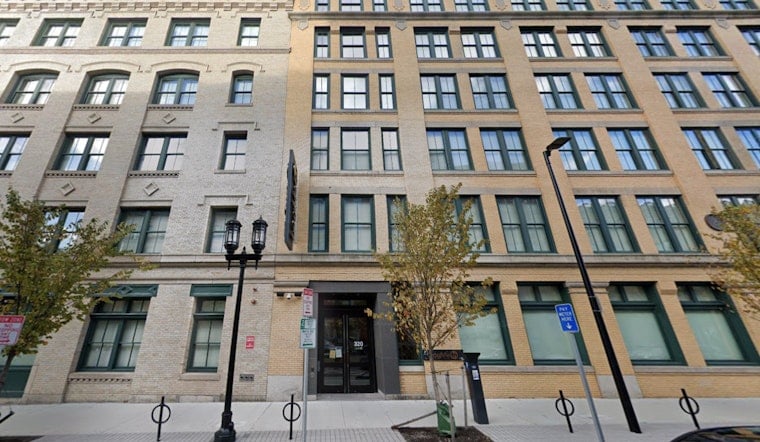
Downtown Boston’s slow-moving office comeback is getting another residential twist, as two fresh conversion plans would add roughly 213 new apartments and push the city’s incentive program to a total of 29 buildings in the pipeline.
One proposal would turn 320 Summer Street into about 139 apartments, while another would convert a five-story building at 11 Avenue de Lafayette into 74 units, according to recent filings and agency trackers. The latest plans arrive as city officials and developers increasingly treat office-to-residential conversions as a go-to strategy for breathing life into underused buildings.
As reported by the Boston Business Journal, the two projects at 320 Summer Street and 11 Avenue de Lafayette would bring the Office-to-Residential Conversion Program’s running total to 29 properties. The outlet notes that the filings are the latest signal that developers remain keen on reworking older office stock into housing in the post-pandemic market.
The Boston Planning & Development Agency’s conversion tracker lists 320 Summer Street as a Qianlong-led proposal for about 139 units and 11 Avenue de Lafayette as a Thibeault Development plan for 74 units, for a combined 213 apartments. BPDA documents show the program has already moved more than a million square feet of office space into the conversion pipeline, with applications continuing to stack up.
How the program works
According to City of Boston guidance, the Office-to-Residential Conversion Program launched in October 2023 and offers a 75% residential tax abatement for 29 years to help offset the cost of turning offices into housing. The city says the initiative uses an expedited, coordinated review process to shorten approval timelines and has been extended through December 31, 2026.
To qualify for the incentives, applicants are expected to commit to pulling full building permits and beginning construction by December 31, 2027. In other words, there is a clear clock on these deals, which adds pressure for owners and developers to move beyond the concept stage.
Why developers keep lining up
Developers and local advocates point to a mix of tax breaks, state grant money and faster permitting as the secret sauce that makes conversions pencil out where earlier financing would have been tough to secure. Local coverage has previously spotlighted targeted state support and grants that helped jump-start individual projects and, paired with recent zoning tweaks, have given conversion proposals a more straightforward path to approval.
Put simply, the math that did not work a few years ago is now getting a second look, especially for older buildings that are struggling to compete for office tenants.
What comes next
The 320 Summer Street and 11 Avenue de Lafayette proposals will head through BPDA and Article 80 review before any final approvals or permits are issued. If they make it through the process, they would join several other conversions that are already under construction or completed in downtown and nearby neighborhoods.
City and planning documents indicate officials expect more applications to roll in through the end of the year as developers continue to test whether turning aging office buildings into housing can be scaled up beyond a handful of one-off projects.
For now, the two latest filings mark another milestone for a program city leaders hope will boost the housing supply and give a lift to downtown retail and transit by bringing more full-time residents into the central business district. Neighbors, small-business owners and planning staff will get a closer look when the BPDA posts materials for upcoming board actions, keeping the conversion pipeline firmly in the spotlight as Boston tries to balance downtown recovery with housing goals.





