

























































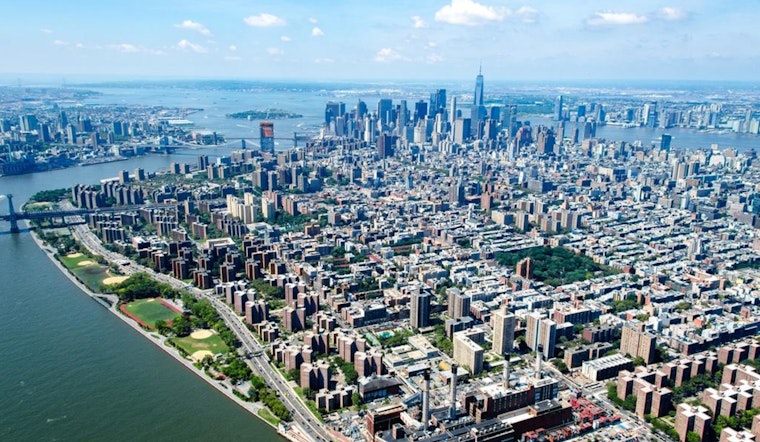
Lower Manhattan’s long-rumored waterfront makeover is no longer a set of renderings on a bulletin board. The city has rebuilt large stretches of East River Park and raised portions of the shoreline to blunt storm surges and future sea-level rise. The elevated terrain now does double duty as public playground and flood barrier, with new courts, lawns and pathways taking over much of the old footprint. Neighbors concede the redesign offers real protection in big storms, yet say the price was steep: decades of mature tree canopy vanished, and some residents are still questioning whether the tradeoff pencils out.
The stakes landed on the national radar this week after a feature framed the effort as a high-stakes, $1.45 billion bid to “buy time” for flood-prone Manhattan, casting the rebuild as both engineering marvel and calculated gamble. As Bloomberg reports, the big question now is how long these fixed defenses can keep up as sea levels keep climbing.
How the System Works
The project, known as the East Side Coastal Resiliency (ESCR) plan, is a two-section system the city says will form a continuous 2.4-mile flood barrier from Montgomery Street to the Asser Levy Playground at East 25th Street. According to the City of New York, the $1.45 billion program layers elevated parkland, berms, floodwalls and 18 sliding or swinging floodgates to shield homes, schools and critical infrastructure from storm surge.
What’s Open Now
City agencies opened large portions of the rebuilt park in late May 2025, handing over ballfields, tennis and basketball courts, picnic and barbecue spots, and fresh lawn areas to the public. The Memorial Day weekend reopening captured the ribbon-cutting and the city’s promise to keep rolling out new sections through 2026 and into early 2027.
Why People Are Divided
The path to that reopening was anything but smooth. Demolition that kicked off in late 2021 cleared out hundreds of mature trees and tore up long-standing recreational spaces, sparking protests in the park and a flurry of legal challenges. As Gothamist documented, opponents argued that the loss of canopy, combined with the speed of the teardown, outweighed promises of future plantings and new amenities.
Engineers and the Limits of ‘Buying Time’
Designers describe the rebuilt landscape as a "park-ipelago" of raised islands that weaves FEMA-grade flood infrastructure into spaces that are still meant to feel like a neighborhood park. Engineers, however, caution that hard barriers tend to buy decades, not centuries, of safety as sea-level projections shift. ArchDaily outlines the integrated network of berms, walls and gates and notes the city’s plan to seek FEMA accreditation and plug ESCR into broader Lower Manhattan resiliency efforts.
Legal and Community Fallout
Opponents took the fight to court, securing temporary restraining orders early in the demolition phase before most of those blocks were lifted and construction moved ahead. Local outlet EV Grieve closely tracked the early legal skirmishes and the neighborhood campaigns that pushed for more mitigation, along with better access to what remained of the park during construction.
For many Lower East Siders, the new park is now both a needed refuge and a daily reminder that climate protection can radically reshape familiar spaces. The city maintains that phased openings will continue and that ESCR is just one piece of a larger, multibillion-dollar coastal defense strategy for lower Manhattan. Experts say the work meaningfully cuts near-term flood risk even as policymakers keep arguing over what comes after 2050, according to reporting by Stormwater Report.





