

























































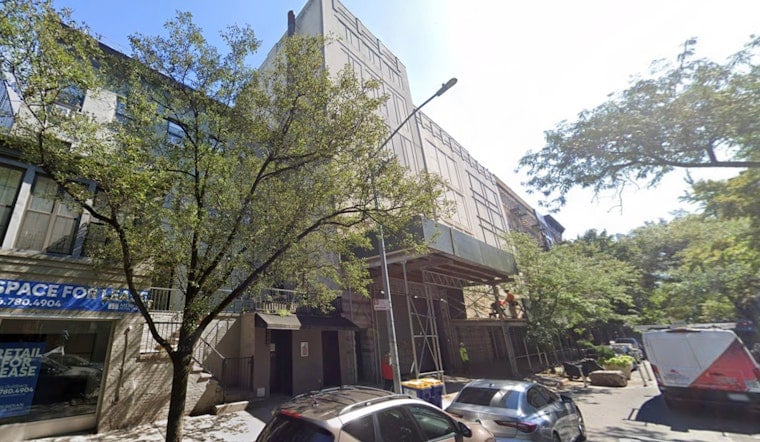
While much of New York’s development world is squeezing projects down to 99 apartments, TF Cornerstone is steering straight into the teeth of the new rules. The family-owned firm has three sizable rental buildings in the works — two on the Greenpoint waterfront and one in Chelsea — that together would add well over a thousand units. All three would land squarely under the 485-x program’s tougher wage and affordability standards, the same rules that have pushed many developers to keep projects just under 100 units. Planners and industry watchers say these sites will be an early test of whether the incentive actually drives large-scale construction or simply fuels the 99-unit workaround.
Three Big Sites, Big Math
TF Cornerstone has filed notices of intent to apply for Option A of the state’s 485-x tax abatement at 273 West 22nd Street in Chelsea and at two neighboring Greenpoint parcels, 2 Noble Street and 2 Oak Street, according to The Real Deal. The paperwork outlines roughly 278 units in Chelsea, 792 apartments at Noble Street and another 268 at Oak Street, for an estimated total of about 1,338 rentals.
Transaction data shows the Noble Street site traded for about $144.1 million and the Oak Street site for roughly $30 million in 2024, while the Chelsea parcel changed hands in 2012 for near $35 million, according to PincusCo and public property records. TF Cornerstone declined to comment in coverage related to the filings, keeping its cards close even as the scale of the bet is laid out in city paperwork.
Why So Many 99‑Unit Plans?
Since 485-x kicked in, a growing number of developers have quietly redrawn projects to stay below the 100-unit mark, which lets them sidestep the program’s construction wage floor and tighter affordability requirements. Commercial Observer reported that in the 18 months after the law passed, filings featuring more than 100 apartments were relatively rare, and noted that some builders were instead clustering multiple 99-unit buildings to capture tax breaks while dodging the wage rules.
City permit totals and market trackers show a rush of new filings this spring, with one analysis describing a spike in the numbers as filings to a 12-year high. Taken together, the data underline how tax incentives, labor costs and affordability mandates are reshaping how, and how big, developers are willing to build.
How 485‑x Changes the Calculus for Big Builds
The 485-x program offers long-term property tax breaks, but it ties those benefits to labor and affordability requirements that can dramatically shift the economics of a project. Under NYC Rules, covered sites with 100 or more units must generally pay construction workers a minimum of roughly $40 per hour, with higher fixed minimums of about $72.45 per hour in the highest-wage areas once a project hits 150 units.
On the affordability side, the city’s Department of Housing Preservation and Development notes that rental buildings above certain size thresholds typically need to reserve about 25 percent of apartments as income-restricted in order to secure the full 40-year abatement, according to HPD. Those tradeoffs help explain why so many projects now stop at 99 units or get split into legally separate buildings that each stay under the line.
TF Cornerstone’s filings indicate the company is prepared to take those conditions on at a much larger scale. City records list a September construction start in Manhattan and an October start in Brooklyn, The Real Deal reports, though the firm again declined further comment. If TF Cornerstone moves ahead as planned, other big developers may decide the numbers work for them too. If the projects stall under financing or cost pressures, the 99-unit era is likely to hang around a while longer. Either way, Greenpoint and Chelsea are about to become prime test cases for whether 485-x really can deliver the kind of large-scale housing the program was designed to spark.


