

























































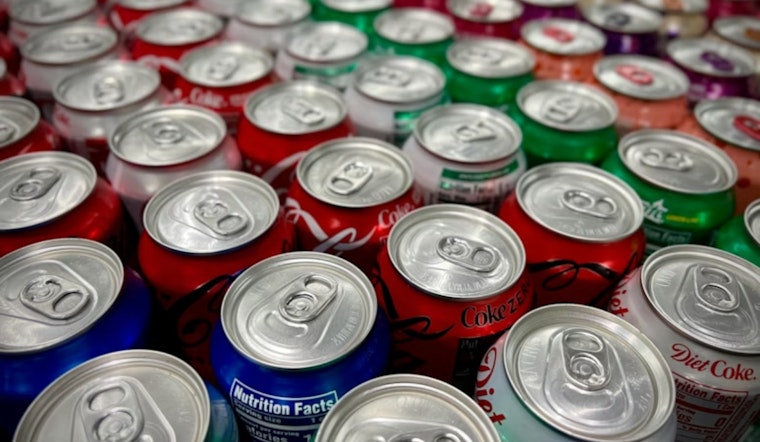
Ohio just scored federal approval to block Supplemental Nutrition Assistance Program (SNAP) users from buying pop and soda, with the change scheduled to hit checkout lines on Oct. 1, 2026. The new rule targets drinks that list sugar, corn syrup, high-fructose corn syrup or similar caloric sweeteners as the main ingredient, or as the second ingredient when carbonated water comes first. State officials are pitching the move as a public health play aimed at cutting diet-related disease while giving retailers a long runway to retool their systems.
As reported by Cleveland 19, Ohio Department of Job and Family Services Director Matt Damschroder called the U.S. Department of Agriculture signoff “a meaningful step toward better health outcomes for Ohioans on food assistance.” The agency sought the waiver after Gov. Mike DeWine pulled together a working group last summer to come up with a narrow, workable definition and a rollout schedule. Cleveland 19 notes the change could not move forward without explicit USDA approval.
How Ohio defined the ban
According to the Ohio SNAP Working Group, the state is drawing the line at beverages that list sugar, corn syrup, high-fructose corn syrup or similar caloric sweeteners as the first ingredient, or as the second ingredient if carbonated water is listed first. The working group said it chose this tight definition so both retailers and SNAP recipients could more easily tell which drinks make the cut and which do not. The report also notes that SNAP reaches more than 1.36 million Ohioans and that milk, 100% juices without added sugar and medical nutrition products will remain eligible purchases.
Where this fits nationally
The U.S. Department of Agriculture’s Food and Nutrition Service has been signing off on similar waiver pilots around the country and has posted instructions for agencies and retailers that are gearing up for food restrictions. USDA-FNS guidance outlines what is expected from retailers, including compliance steps and the technical tweaks needed at the point of sale. National coverage from The Associated Press noted that several states began similar restrictions earlier this year and warned that a patchwork of differing state rules could create headaches at checkout for both grocers and shoppers.
Critics warn of stigma and cost
Anti-hunger advocates argue that these waivers risk shaming people who use SNAP and could saddle states and retailers with new administrative burdens. The Food Research & Action Center has called the approvals “a serious misstep” that could hurt households while forcing stores to invest in costly register reprogramming and extra staff training. Public reporting and industry groups have also cautioned that the upgrades may lengthen lines and complicate an already busy checkout experience.
What to expect next
State officials say the Ohio Department of Job and Family Services will spend the next stretch working with retailers, health partners and community organizations on outreach and training ahead of the October 2026 start date. The working group recommended rolling the change out in phases, emphasizing retailer-focused compliance steps and commissioning a robust, independent evaluation to track health outcomes along with any unintended fallout. For the full state recommendations and local coverage of the USDA approval, see the Ohio SNAP Working Group and reporting from Cleveland 19.





