

























































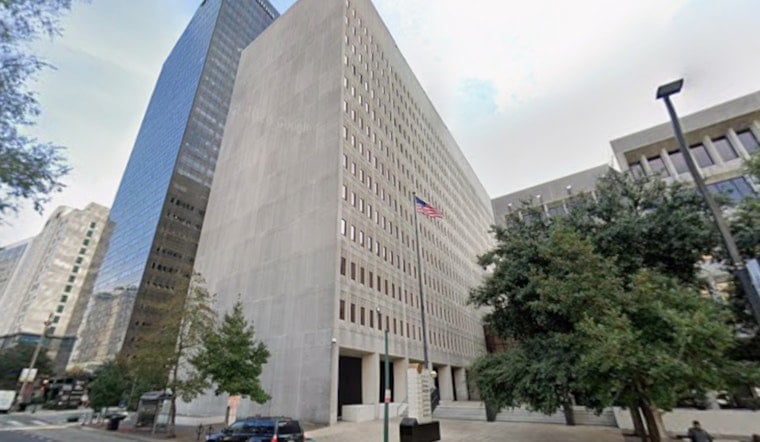
A New Orleans defense attorney is now facing federal charges after prosecutors say she siphoned roughly $250,000 from a client’s family while representing him in a 2025 arrest. The indictment caps months of local court skirmishes and an outside attorney’s review that called a supposed settlement into question, suggesting it may have been fabricated. The case is now in the hands of federal prosecutors and is putting a fresh spotlight on oversight in big-ticket criminal cases, according to NOLA.
Indictment Lays Out Alleged $250,000 Scheme
According to federal prosecutors, the charges focus on a series of payments the client’s family made for bond, alleged restitution, and what was described as a settlement that prosecutors now say was bogus. As reported by NOLA, court filings say the lawyer collected tens of thousands of dollars for bond and claimed fees tied to charges or restitution items that the district attorney’s office says never actually applied to the case.
How the Money Moved
Court records and local reporting show the family wired several large payments that added up to roughly a quarter of a million dollars. The transfers included about $66,000 in April, roughly $12,500 in June, $90,000 in September, and more than $100,000 in October, according to WAFB. Prosecutors’ filings also say the lawyer billed for bond-related expenses and charged for counts that, according to the district attorney’s office, were never part of the underlying criminal case.
Repayment and an FBI Look
The lawyer’s attorney, Kerry Cuccia, told local media that his client ultimately returned more than $264,000 to the family. He said she had “almost immediately returned the money that she clearly was not entitled to keep,” according to FOX 8. That same reporting notes that federal investigators were already asking questions earlier this year, after new counsel for the family raised concerns with prosecutors about the supposed settlement paperwork.
Past Discipline and Potential Fallout
This is not the first time the attorney has drawn professional scrutiny. The Louisiana Supreme Court suspended her in 2011 after finding she used her role as an assistant district attorney to threaten criminal action while trying to collect a private debt, according to the court’s published opinion. Louisiana Supreme Court records show the justices imposed a six-month suspension, with most of that time deferred.
What Comes Next
With the indictment filed, the case now moves fully into the federal system, where an arraignment and a pretrial schedule are expected to follow. The allegations, along with the repayment of funds, could also draw additional attention from state bar regulators and possibly spark civil claims. The attorney remains entitled to the presumption of innocence, and it will be up to federal prosecutors to prove every charge beyond a reasonable doubt in court.





