

























































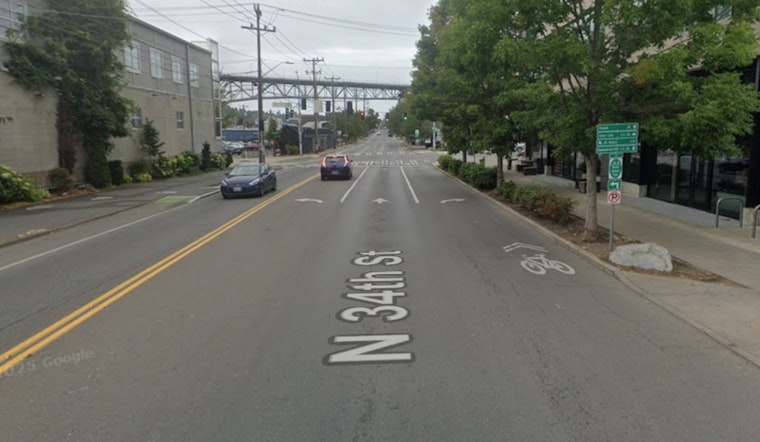
HazMat crews converged on Seattle’s North Transfer Station on Wednesday evening after the Seattle Fire Department reported a hazardous-materials response in the 1300 block of North 34th Street. The building was evacuated as a safety precaution while firefighters investigated, and there were no immediate reports of injuries. Drivers in the area are likely dealing with traffic slowdowns as emergency vehicles work the scene.
In an update posted online, the Seattle Fire Department said HazMat crews were “making entry into the building to investigate” and confirmed the full facility had been cleared out. The department urged people to stay away from the area and to call 911 for emergencies, according to Seattle Fire Dept.. Officials did not immediately identify what type of material prompted the response.
Where This Is
The North Transfer Station is a Seattle Public Utilities facility that receives, sorts, and ships municipal waste and recyclables for the city. Its public address is 1350 N. 34th St., in the Wallingford and Fremont area, according to Seattle Public Utilities. The site includes a public recycling and reuse building and typically sees heavy truck traffic, which can complicate any emergency response.
Past HazMat Responses At The Dump
HazMat calls at transfer stations are not rare. In May 2023, crews treated four people after a hazardous spill at the North Transfer Station, as reported by KIRO 7. Earlier this year, Seattle Fire handled an ammonia leak on a commercial vessel that required a HazMat entry, according to KIRO 7. Those incidents were resolved without major injuries, but they highlight the range of hazardous materials crews can encounter at industrial facilities and port sites.
What To Watch And How To Stay Safe
For now, officials are keeping the message simple: avoid the immediate area while crews do their work, and call 911 for any emergencies. For non-emergency questions about getting rid of household hazardous items, Seattle Public Utilities provides guidance on where to take hazardous waste, helping residents distinguish between everyday household hazards and the industrial-scale materials that call for a HazMat team. This story will be updated as agencies release more details.





