

























































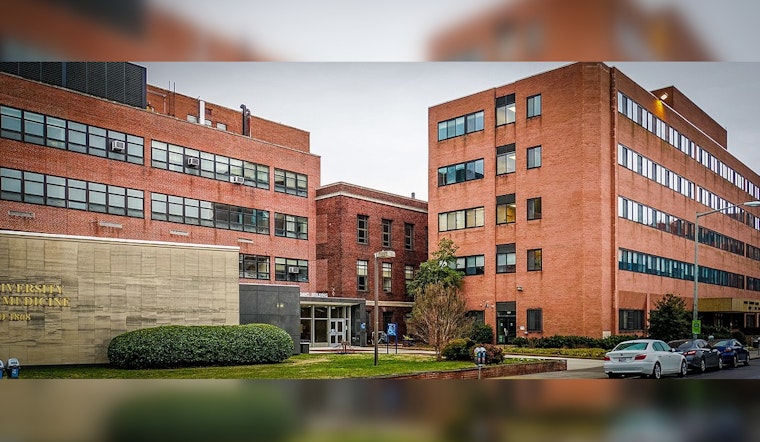
Howard University’s College of Medicine has been placed on probationary accreditation status by the Liaison Committee on Medical Education, a first in the school’s 158-year history, even as the program remains fully accredited and authorized to graduate new physicians. University officials say students’ degrees and day-to-day training are not affected while the school works through the accreditor’s concerns.
Accreditor listing and the university's statement
The Liaison Committee on Medical Education’s public directory currently lists Howard University College of Medicine as "Full, on probation" and shows the next full review window as 2027–28, according to LCME. In a Feb. 27 statement, Howard officials said the status reflects specific areas where the LCME has requested additional documentation and measurable outcomes, while emphasizing that "it does not change our accreditation" or the validity of any degrees, per Howard Newsroom.
The university said it has already stepped up faculty hiring, rolled out curriculum updates and begun targeted facilities upgrades as part of a broader improvement plan that was underway before the latest LCME action, according to Howard Newsroom.
How unusual is the move?
This is the first time the College of Medicine has ever received a probationary rating, a milestone that has sharpened attention from alumni, donors and clinical partners, the university’s leadership circle included, according to Washington Business Journal. The outlet reported that officials are weighing how the optics of the designation might land with the public while they focus on the follow-up reports demanded by the accreditor.
What probation generally means for medical schools
Probation in medical school accreditation is a formal warning and monitoring tool, not an automatic shutdown. Accredited programs typically remain in place while a school submits corrective documentation and proves that specific problems have been fixed, according to UTMB's LCME FAQ. Guidance explains that probation is time-limited and can result in accreditation withdrawal only if an institution fails to meet required standards within the set window, which usually brings extra reporting and site visits.
Under that framework, students typically keep access to clinical rotations and degree conferral while administrators work through the required follow-up, according to UTMB's LCME FAQ.
What Howard says it will do next
Howard says it has launched what it calls "comprehensive strategic actions," including key faculty and administrative hires, curriculum enhancements and strengthened student support systems. The university describes its efforts as systemic and data-driven and says it is confident the progress already made will bring the College back into full compliance by the next review cycle, per Howard Newsroom.
The College has told its community it will work closely with the LCME on any supplemental reports or documentation still required, according to Howard Newsroom.
For now, classes, clinical rotations and degree programs continue while the accreditor and the university move through the monitoring process. Alumni, hospital partners and students will be watching closely as Howard submits its next filings and awaits the LCME’s follow-up review to see whether the college has fully closed the gaps the accreditor identified.





