

























































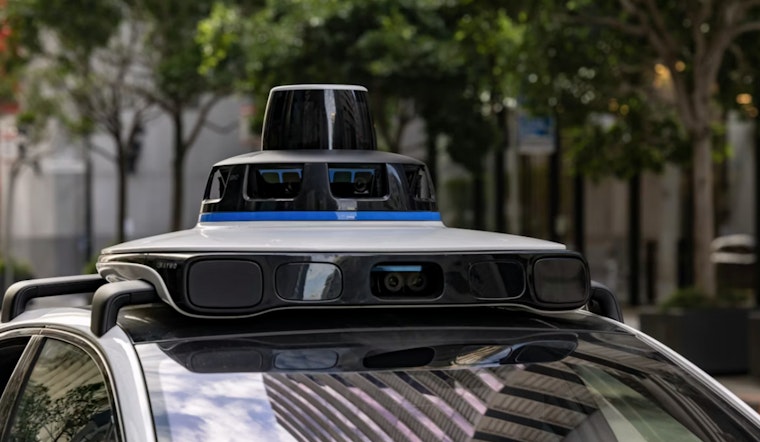
Las Vegas is getting a front-row seat to the next round of the self-driving car race, and Hyundai, Kia and Nvidia are all in.
Hyundai Motor and Kia have expanded a strategic tie-up with Nvidia that will pull the chipmaker’s driver-assist and autonomous-driving tech into select models and support a single, scalable architecture that runs from Level 2 features up to Level 4 robotaxi services. The plan links everyday production cars to Motional’s robotaxi program and is meant to speed the flow of real-world driving data back into in-car AI. Las Vegas riders are likely to feel the impact first, since Motional is already piloting IONIQ 5 robotaxis on city streets.
According to The Korea Times, Hyundai and Kia will equip some models with Nvidia’s Level 2 and higher driver-assistance technologies and will lean on NVIDIA DRIVE Hyperion to build an integrated architecture that can scale up to Level 4 services. Hyundai Motor Group executive Heung-Soo Kim called the expansion “an important milestone” in the automaker’s effort to deliver safe, data-driven autonomous driving, the paper reported.
Nvidia describes DRIVE Hyperion as a production-ready reference platform that pairs in-vehicle accelerated computing with a validated multimodal sensor suite and cloud data tools to train large driving models, per NVIDIA. The company says that modular setup helps automakers and robotaxi developers scale Level 4 services while still addressing safety and cybersecurity requirements.
Hyundai first announced a broader collaboration with Nvidia in January 2025 to apply accelerated computing, Omniverse digital-twin tools and other AI technologies across mobility and manufacturing. The automaker says this latest expansion builds on that foundation. Hyundai Motor Group also underscores that feeding accumulated driving data into a unified learning pipeline is central to building up its own proprietary driving AI.
What This Means for Las Vegas Riders
Motional, Hyundai’s autonomous-driving joint venture, is already running pilot robotaxi operations in Las Vegas and, after an AI-first reboot, has publicly targeted a fully driverless Level 4 service in the city by the end of 2026, according to TechCrunch. The real-world mileage those IONIQ 5 robotaxis rack up is exactly the kind of data Hyundai and Nvidia say they will feed into groupwide model training to speed validation and deployment.
Why Automakers Are Leaning on Nvidia
Automakers shifting to software-defined vehicles need a validated, upgradeable compute base and a way to certify AI systems at scale. Nvidia’s DRIVE software stack and its Halos inspection program give them a common route to test and validate models, sensors and safety features. NVIDIA also notes that tying cloud AI to in-vehicle AI enables over-the-air updates and coordinated fleet operations, both crucial for commercial robotaxi services.
Hyundai says it will keep talking with Nvidia to “leverage new technologies for commercializing its Level-4 robotaxi business,” and industry watchers will be combing upcoming conference presentations and Motional test updates for firmer timelines and safety milestones. Regulators, city officials and ride-hailing partners will all influence how quickly those technical promises turn into driverless rides for the public.



