

























































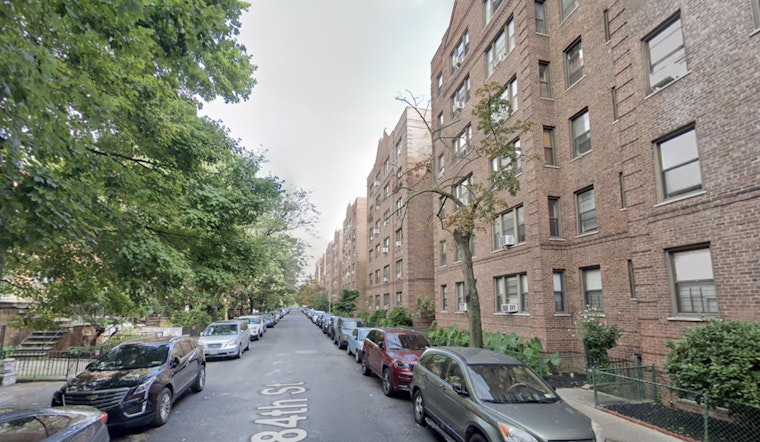
On a bitter January afternoon in a cramped Jackson Heights lobby, Mayor Zohran Mamdani stepped in front of a cluster of tenants and cameras and turned one of New York’s most hotly debated landlords into a cautionary tale. He announced a settlement with the company and cast its record as a test case for his tenant protection agenda, which hinges on a tricky balancing act: shielding renters right now without triggering a foreclosure spiral that could gut the city’s rent-stabilized stock.
In a long feature published last Friday, The New York Times followed that tension through one A&E-owned building and the political choices it forces. Local reporting has filled in the scale of the problem. Gothamist reports that A&E manages roughly 180 buildings, about 16,000 apartments, and that the company agreed to a roughly $2.1 million settlement to address more than 4,000 housing-code violations at 14 properties. Those numbers have turned A&E into the administration’s earliest, loudest enforcement target.
Debt and defaults
Behind the scenes, lenders are already forcing the issue. Trustees for a $506 million commercial mortgage tied to about 3,500 units moved to start pre-foreclosure proceedings after the loan reached maturity, according to The Real Deal. That debt package, which includes large complexes such as Riverton in Harlem, is the single biggest factor that can push buildings from slow-motion disinvestment into distress sales or outright bankruptcy.
At the Jackson Heights event, the mayor accused the company of “overt cruelty” toward tenants, language captured by The Real Deal. The settlement requires specific repairs and sets penalties if A&E falls short, but it does not touch the larger debt load that housing analysts say has weakened owners’ incentives to put money back into the buildings.
The math behind the headlines
The New York Times walks through the finances of one representative building to show how the numbers get tight. The property sold in 2013 for roughly $25 million, needed about $3 million in immediate repairs, and saw its net income fall from about $1.7 million in 2018 to roughly $681,000 more recently, leaving the owner with significant arrears and a sharply reduced market value. The Times argues that when those pressures repeat across hundreds of rent-stabilized buildings, policies such as rent freezes run straight into fragile capital stacks that are already wobbling.
Tenants and the watchlist
Tenant organizers and the public advocate’s office have been documenting the human side of all that math. A recent “Worst Landlord” watchlist singled out A&E executives for thousands of open violations, a tally reported by La Voce di New York. At buildings such as La Mesa Verde, tenants have filed group lawsuits over mold, infestations, and broken elevators, as Gothamist reported. Those parallel legal fights and organizing campaigns are a key reason Mamdani picked A&E as an early, highly visible proving ground for his approach.
Legal and financial stakes
Analysts warn that the stakes are as much about balance sheets as they are about building code. Foreclosures on rent-stabilized properties have already increased and could climb further this year, a trend that would complicate any attempt at broad rent relief, according to reporting compiled by Northgate. City officials can issue fines, push buildings into receivership, or try to engineer debt restructurings, but each option comes with trade-offs for tenants and taxpayers.
Cea Weaver, the tenant organizer Mamdani tapped to run the Mayor’s Office to Protect Tenants, will be central to whatever mix of enforcement and preservation City Hall ultimately chooses, City & State reports. For now, the A&E portfolio, the settlement, the pre-foreclosure moves, and the tenant lawsuits function as a high-stakes laboratory for the administration’s promise to protect renters without accidentally undermining the buildings they rely on.



