

























































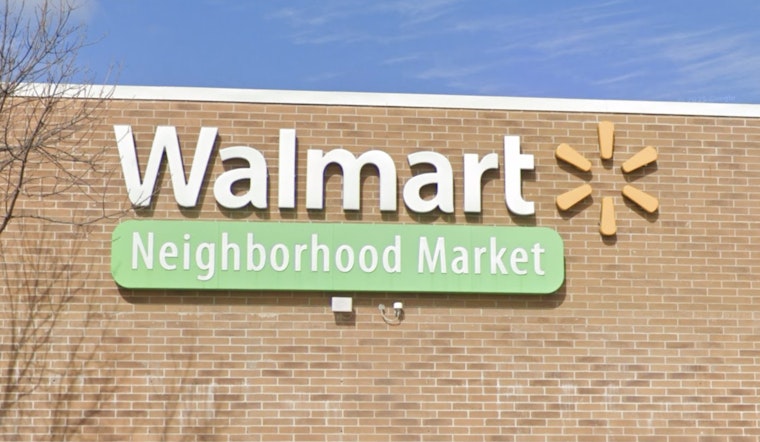
An Oklahoma County judge has handed a big win to a developer and cleared the path for a long-disputed Walmart Neighborhood Market at the northwest corner of Covell and Coltrane roads in Edmond. The ruling gives Coltrane Land Development LLC fresh life for a roughly 43,000-square-foot grocery project that has spent years trapped in a loop of council denials and legal appeals.
According to The Oklahoman, Oklahoma County District Judge Anthony L. Bonner ruled in favor of Coltrane Land Development after a recent hearing, undercutting the practical effect of the Edmond City Council's 2025 denial and setting the case up to move forward in court.
Decade-long fight returns to court
The conflict reaches back to litigation in the mid-2010s over a similar site plan that led to mixed rulings and a string of appeals. Coltrane Land Development owner Jim Tapp bought the roughly 9.7-acre parcel in March 2025 and came back with a near-identical proposal. When the Edmond City Council rejected that plan in July 2025, the developer sued, arguing the denials were arbitrary and at odds with staff recommendations that favored approval, as reported by The Journal Record.
Neighbors and council concerns
Neighbors in Ashford Oaks and surrounding additions have argued from the start that the Covell and Coltrane intersection is already stretched thin. They have warned about more traffic, stormwater issues, loss of trees and what they see as a threat to the character of nearby neighborhoods. City planning staff recommended approval in 2025, but after hours of public comment the council still voted the site plan down, according to NonDoc.
Next steps for the city and developer
The ruling gives Coltrane Land Development momentum, but it does not finish the fight. The city can appeal or continue to contest remaining legal questions, and the developer is still pursuing damage claims if the denials are ultimately ruled illegal. The company argues that the repeated rejections amount to a de facto taking of the property and is seeking "just compensation," a theory that could expose the city to significant damages, according to The Journal Record.
Legal implications
The case turns on whether earlier court approvals or staff recommendations can constrain current council decisions and whether the city’s repeated denials cross the line into inverse condemnation. The Oklahoman reports that the developer paid about $2,636,500 for the property in 2025, a price tag that hints at the potential scale of a successful compensation award.
Whatever the city and developer do next, the decision breathes new life into a neighborhood battle over growth, traffic and local control, and it shows that Edmond’s argument over how and where the city grows is nowhere near finished.





