

























































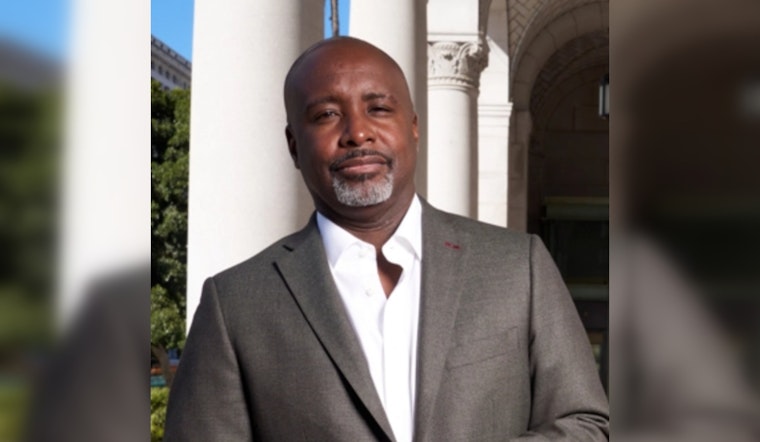
Los Angeles City Council President Marqueece Harris-Dawson told colleagues this week that he was recently pulled over while behind the wheel of a city-issued vehicle, and said the encounter felt racially charged. Speaking from the council dais, he described the stop as traumatic and likened it to earlier incidents in which he said he was pulled over while driving a marked city car. His comments landed in the middle of an already heated debate over whether armed officers should be the ones handling routine traffic enforcement in Los Angeles.
The New York Post reported that Harris-Dawson told fellow council members the stop was “traumatic on Wednesday as when I was 16,” and that he has been pulled over four times while driving a government vehicle with an e-plate. According to the Post, he also used the meeting to denounce pretextual traffic stops as racially biased.
Harris-Dawson's policy push
Harris-Dawson has long backed efforts to curb pretextual stops and to rethink who handles certain traffic duties. As reported by The Los Angeles Times, the council voted last year to commission a study on pulling police officers from some traffic-enforcement roles and exploring unarmed alternatives. That ongoing policy work forms the backdrop for the council president’s pointed remarks this week.
Police account
According to The New York Post, the Los Angeles School Police Department said an officer observed a moving violation near a Los Angeles high school and issued a citation. The department, as described by the Post, framed the encounter as a straightforward traffic stop, not a pretextual stop or one motivated by race.
Why it matters
Traffic stops have been a political and cultural fault line in Los Angeles for years, prompting reforms meant to cut back on pretextual stops after reporting highlighted racial disparities in who gets pulled over. Coverage by The Los Angeles Times and advocacy from groups such as PUSH LA have pressed city leaders to reduce unnecessary armed encounters during low-risk traffic stops.
It is not yet clear whether Harris-Dawson’s latest experience will directly change the council’s next moves, but it drops a high-profile, personal story into an already simmering argument over race, policing and who should be in charge of enforcing the rules of the road. Council members and community organizations may now point to this episode as they sort through upcoming proposals and hearings on traffic-enforcement reform.





