

























































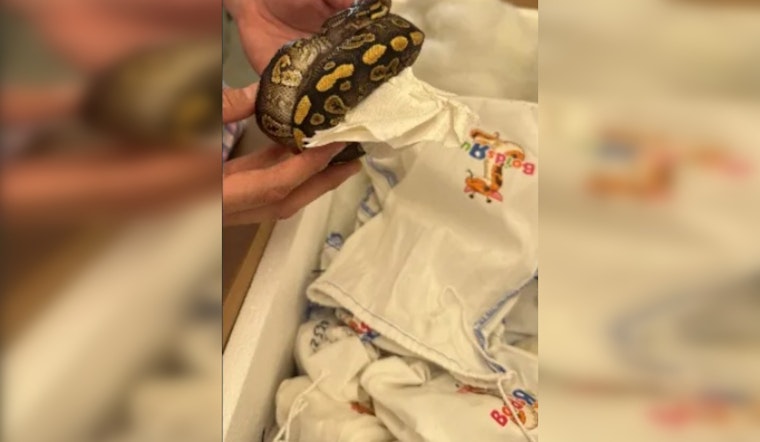
U.S. Customs and Border Protection officers at Laredo's World Trade Bridge turned a routine outbound inspection into a full-blown reptile rescue on March 5, when they found 39 live pythons hidden inside the cab of a tractor headed to Mexico. The snakes were pulled from the vehicle during an outbound inspection, then handed over to the U.S. Fish and Wildlife Service for care and quarantine. CBP seized the tractor and trailer and hit the case with civil penalties tied to export violations.
According to KFOX, officers singled out a 2021 Peterbilt tractor for inspection after the driver gave a negative declaration, only to discover the 39 pythons tucked away inside the cab. The U.S. Fish and Wildlife Service took custody of the reptiles and moved them into a controlled environment. CBP, meanwhile, seized the rig and issued $34,824 in penalties tied to export violations. Port Director Alberto Flores praised officers for their "vigilance and dedication" in stopping the unusual load.
Feds step in to care, investigate
When CBP encounters live animals at ports of entry, the agency typically calls in the U.S. Fish and Wildlife Service so the animals can be quarantined, evaluated, and kept out of the commercial stream while authorities figure out what happened. If there are signs of smuggling or organized activity, cases are often referred to Homeland Security Investigations for a deeper look.
Federal Newswire recently reported a similar scene in Laredo, where intercepted parrots were turned over to federal wildlife officials for care and further investigation.
What this means legally
The penalties CBP issued in the python case are civil, tied to export violations. That is often the first enforcement step. But wildlife trafficking can also lead to criminal investigations and federal charges under statutes such as the Lacey Act and the Endangered Species Act. The U.S. Fish and Wildlife Service’s Office of Law Enforcement works with CBP and other agencies to investigate and, when warranted, refer cases to federal prosecutors. The Service outlines this enforcement role and its partnerships in its public materials on wildlife trafficking enforcement.
Why Laredo matters
The World Trade Bridge is one of the busiest commercial crossings on the southern border, and CBP officers there are no strangers to strange cargo. They routinely uncover contraband hidden in seemingly ordinary shipments. As Thwart Attempt to Smuggle $835K reported, large drug and weapon seizures at the bridge are a regular part of the job, which helps explain why outbound commercial lanes in Laredo often face secondary inspections.
The python case is still under investigation by the U.S. Fish and Wildlife Service and Homeland Security Investigations, according to KFOX. CBP says it will keep up targeted outbound inspections aimed at stopping illegal wildlife trade. Officials have not released the driver’s name or said whether criminal charges will be filed as the probe moves forward.





