

























































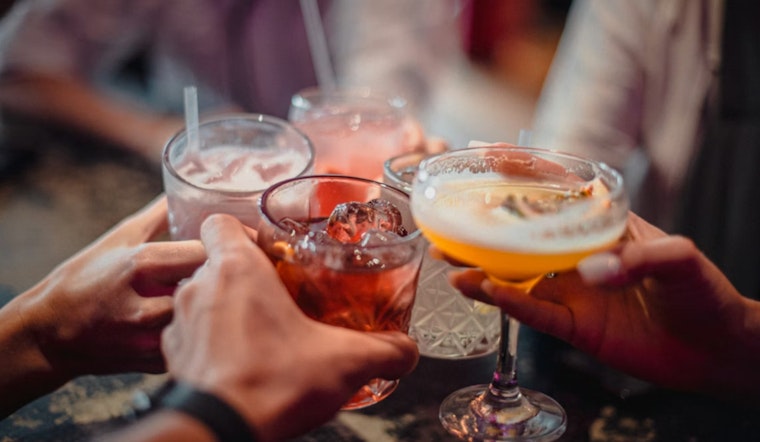
From white tablecloth spots in Manhattan to strip-mall grills in the Valley, restaurants say one of their steadiest moneymakers is drying up: alcohol. Owners across the country report that fewer guests are ordering cocktails, and that missing bar revenue is squeezing margins that were already razor thin. The slowdown is hitting neighborhood joints and big casual-dining chains alike.
As reported by The New York Times, chefs and operators from New York to Los Angeles say alcohol sales, long the highest-margin part of the check, have slipped enough to force changes in hours, menus and staffing. The piece quotes chef Marco Canora saying alcohol sales at his Hearth restaurant fell about 7 percent in 2025, and notes that the Montclair, N.J., barbecue spot Pineapple Express shut its doors in January after drink-driven revenue projections failed to materialize. Those on-the-ground stories mirror the financial strain operators describe in price-sensitive markets around the country.
A July 2025 Gallup poll found that only 54 percent of U.S. adults said they drank alcohol, the lowest share Gallup has ever recorded, and people who do drink reported fewer drinks per week. Gallup notes that the drop is especially sharp among younger adults and women. For restaurateurs who rely on bar tabs to pad the check, a couple fewer drinks per table can thin out profits in a hurry.
Market research from Technomic underscores how central beverage programs are to margins and documents a slowdown in both visits and overall spending that leaves operators fighting over a smaller revenue pool. Technomic’s operator studies also show many venues reworking value deals and beverage strategies as guest counts soften. With that backdrop, losing once-reliable alcohol dollars can very quickly translate into even tighter operating margins.
Analysts point to a mix of factors behind the pullback: shifting tastes among younger diners, stronger public-health messaging around alcohol, and the rise of appetite-suppressing GLP-1 medications. A KFF poll found that about 12 percent of adults have ever taken a GLP-1 drug and roughly 6 percent say they are currently using one, and reporting has documented rapid growth in prescriptions and closer scrutiny from insurers. Industry observers say changes like that can show up in the dining room as smaller orders and fewer rounds.
How Restaurants Are Responding
“Alcohol sales are a restaurant's highest profit-margin area,” one operator told The New York Times, and owners say they are hustling to plug the hole. Many are bulked up mocktail menus, adding sparkling nonalcoholic wines, pushing higher-margin food items, and testing lower-ABV pours to keep something from the bar flowing. Others are trimming bar shifts, moving staff into the kitchen, and tinkering with pricing and bottle markups to protect what is left of the bottom line.
For diners, that means a subtly different night out: more low and no alcohol choices, tighter pours, and a clearer emphasis on the plate instead of the glass to keep checks where operators need them. Technomic analysts suggest that restaurants pairing creative drink alternatives with smart pricing and sharper value pitches are most likely to ride out the shift in habits. The open question for the industry is whether these tweaks can truly replace a revenue stream that has long helped buoy thin restaurant margins.



