

























































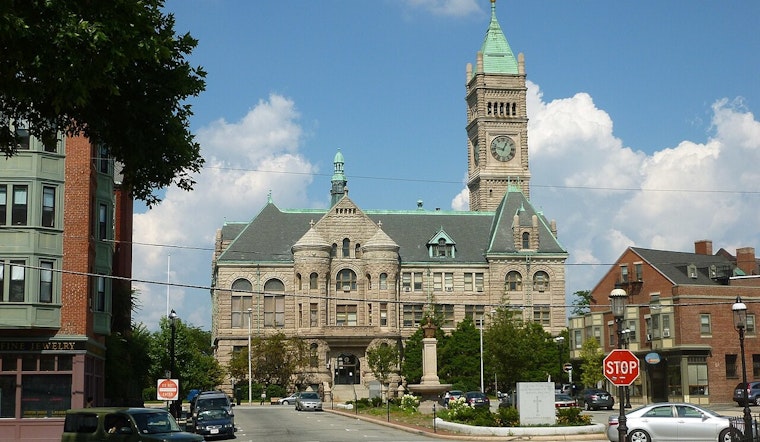
A long-dormant slice of Lowell’s mill history just got the green light for a major makeover. On Monday, the city’s Historic Board signed off on plans to replace a long-vacant Hamilton Canal mill parcel with two six-story buildings that together would contain 363 apartments. The vote clears a major preservation hurdle and puts real momentum behind one of downtown’s largest redevelopment proposals in years. The site has been part of Lowell’s textile-era industrial footprint and is viewed by city planners as central to downtown renewal.
Project details and team
According to the City of Lowell, the proposal calls for two six-story structures totaling 363 residential units, with Building A planned for about 230 units and Building B for about 133. The filing outlines more than 10,000 square feet of ground-floor retail space, along with a long list of resident amenities that includes a fitness center, resident lounges, a second-floor pool and a dog park. The document names TAT as architect and Cabot, Cabot & Forbes as the project sponsor.
Board sign-off clears a preservation hurdle
Lowell’s Historic Board voted on Monday to issue the required historic permit for the redevelopment, clearing a principal regulatory step for the plan, as reported by the Boston Business Journal. That approval removes the key preservation obstacle to reworking the former machine-shop parcel and allows the project to move ahead to final permitting and construction planning. The Boston Business Journal story, by reporter Grant Welker, published the decision on March 12.
How it fits the Hamilton Canal vision
City planning documents have long cast the Hamilton Canal District as the centerpiece of downtown revitalization, and this proposal is pitched as a way to bring life back to underused waterfront parcels while adding new retail and foot traffic along the canal edge. The city’s Hamilton Canal District plan presents the area as a multi-acre opportunity to connect downtown to the commuter-rail station and to build mixed-use neighborhoods with parks and pedestrian links. Officials say projects that add housing and street-level activity are intended to boost tax revenue and support local businesses.
What’s next
With the historic permit in hand, the project still has to clear final site-plan reviews, secure building permits and lock in financing before any shovels hit the ground. Developers typically return to municipal boards for detailed design and engineering approvals and to state agencies for any required environmental permits, and those steps will ultimately dictate the construction timeline. City meeting agendas and permit filings are expected to flag the next milestones as the project advances.





