

























































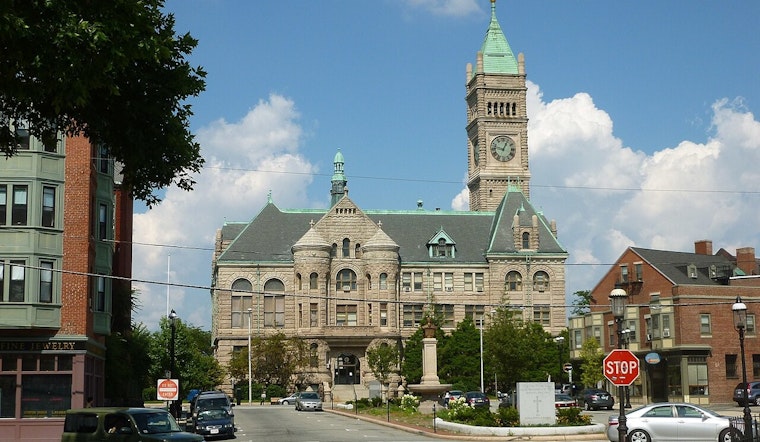
Lowell is hitting pause on new and expanded data center projects after months of residents complaining that massive server hubs are creeping too close to homes and schools. City councilors say a temporary moratorium will give staff time to tighten zoning rules, firm up buffer and noise requirements, and spell out how much fuel storage is acceptable so neighborhoods are not left living next to industrial-scale servers and generators.
Councilor Kim Scott put the issue on the table on Jan. 13, filing a motion for a moratorium that the City Council then voted to send to the city solicitor and planning staff for formal drafting, according to the City of Lowell. As reported by the Boston Business Journal, the draft language under discussion would halt approvals for roughly a year while the city locks in buffer distances, noise standards and protections against spikes in local water and electric rates.
Residents Sound Alarm On Health And Infrastructure Risks
During the council hearing, neighbors and local advocates warned that large data campuses come with diesel backup generators, round-the-clock noise and heavy water and electricity consumption that can squeeze nearby households. WBZ NewsRadio reported Councilor Sean McDonough saying, "I don't think it's right that they would have an unrestricted tap," as residents urged the council to act now so expansions cannot move forward piece by piece while zoning rules are still incomplete.
Markley Facility At Center Of Local Debate
Lowell already hosts a sizable multi-tenant complex operated by Markley, which lists a Lowell location at One Markley Way, and neighbors say recent talks about expanding that facility sharpened their concerns about where generators would sit and how they would be screened. The city's move tracks with a broader national wave of local moratoriums and permitting delays as communities wrestle with the power, water and noise demands of new server farms; Axios has documented a rise in local pushback and pause proposals across the country.
What Happens Next
The city solicitor's office and planning staff are now tasked with writing an ordinance that spells out the scope of the temporary pause and the standards it will require, then bringing that language back to the council for a final vote. The Boston Business Journal reports that the working draft would run for about a year, giving Lowell time to close regulatory gaps before another expansion application shows up at City Hall.





