

























































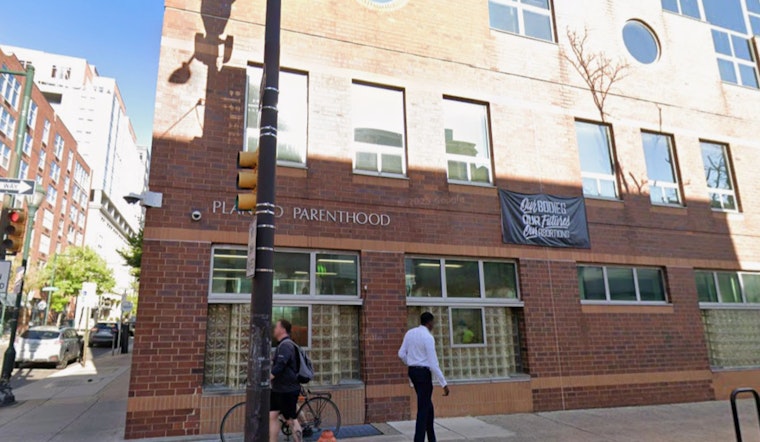
Planned Parenthood centers across Philadelphia are racing to keep basic reproductive and sexual health care going after a new federal rule put Medicaid reimbursements for some clinics on the chopping block. Local affiliates say they have been quietly eating the cost of care since the change took effect, but leaders are openly warning that cannot last. With no dedicated backfill in the city budget, thousands of low-income patients who depend on low-cost exams, STI testing and cancer screening are staring down an uncertain future.
Clinics say they're already covering the gap
Leaders at Planned Parenthood of Southeastern Pennsylvania told City Council members that the affiliate serves about 20,000 patients in Greater Philadelphia and has been shouldering much of the cost since Congress passed the One Big Beautiful Bill Act, according to WHYY. Signe Espinoza, the group's vice president of public policy and advocacy, told the council, “A Philadelphia without Planned Parenthood is no longer a hypothetical, it is a very real possibility,” the reporting notes.
City budget left a hole
Advocates had pushed for municipal support, but the budget Philadelphia passed did not include a new line item to replace federal reimbursements, The Philadelphia Inquirer reports. The mayor's office has said the city does not have the budget capacity to cover federal reductions, leaving clinic leaders to keep pressing elected officials for targeted relief.
Suburban affiliate already limits Medicaid care
Planned Parenthood Keystone posted a notice on its website saying that, as of Feb. 16, it can no longer provide family-planning services to patients using Medicaid at locations in Lehigh, Bucks, Dauphin, Berks, York and Luzerne counties. The change means those patients can still receive care but must pay out of pocket on a sliding scale, which may be costlier than using Medicaid, per the affiliate's website.
Legal fight could decide who pays
National litigation has added to the local uncertainty: a federal judge temporarily blocked enforcement of the Medicaid restriction in one high-profile ruling, allowing some Planned Parenthood clinics to keep billing Medicaid while lawsuits proceed, The Washington Post reported. A coalition of states and attorneys general — including Pennsylvania in broader filings — has sued to halt the provision, arguing it would disrupt preventive care and force states to choose between new costs or excluding clinics from Medicaid.
What patients will likely feel first
Clinic leaders say the first signs patients may notice are reduced hours, fewer staff and longer waits for routine gynecological care, contraception counseling and STI testing, according to WHYY. While some affiliates say they will keep seeing Medicaid patients on a self-pay, sliding-scale basis, advocates warn that extra out-of-pocket costs and travel hurdles could keep many people from getting care when they need it.
Planned Parenthood leaders are urging elected officials to provide emergency help and are watching the courts closely. For now, the fate of Philadelphia's clinics hinges on a mix of municipal decisions and legal outcomes. Patients are being advised to check provider websites for the latest payment and scheduling information, including the Keystone fee-change FAQs linked above.



