

























































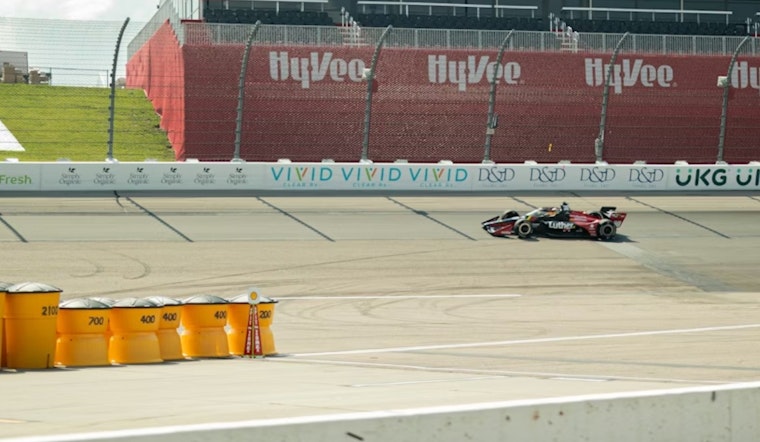
IndyCar could be roaring past Empower Field at Mile High and skimming the edge of downtown Denver as soon as 2027, if a new street race proposal clears the many hurdles ahead. Promoters have floated a multiday event built around a roughly 1.8-mile temporary circuit that would wind through stadium parking lots and nearby surface streets, turning the blocks west of the central business district into festival-style fan zones, hospitality areas, viewing platforms and pedestrian corridors for race weekend.
According to 9News, the pitch deck pegs the possible economic impact for Denver between $60 million and $80 million and asks the city or private partners to sign onto a four-year hosting agreement. The proposed layout includes four pedestrian bridges, parking-lot grandstand areas and other fan amenities, and the organizers are looking for sponsors and partners to help cover about $650,000 a year through 2030. If the deal comes together, the presentation says Denver would join a group of roughly 18 North American cities with an IndyCar stop.
Why Denver?
IndyCar has had Denver circled on its wish list for a while. Indianapolis Motor Speedway officials have called the city a "top market" and have suggested a street race could take two to five years to bring to life once a promoter and a specific location are locked in, according to Sports Business Journal. The concept is not unprecedented for downtown: the Grand Prix of Denver ran as a temporary street event in the 1990s and 2000s, per historical records on Wikipedia.
Any long-term race deal also sits in the shadow of what happens with the Broncos’ stadium. The team’s broader planning and lease timelines are part of the context for any multi-year event at or around Empower Field, according to reporting in The Colorado Sun.
Local tradeoffs and logistics
Street races are equal parts spectacle and logistical headache. Building the course would mean phased street closures, rerouted shuttles, adjusted parking plans and tight coordination with transit agencies and downtown businesses. Coverage of the Long Beach Grand Prix, including its phased closures and shuttle plans, highlights just how many moving pieces a waterfront street race can involve, as per Hoodline.
For Denver, the current concept leans heavily on turning stadium lots into viewing areas and building pedestrian bridges to move fans across the site. All of that would require a stack of permits and coordination with multiple city departments and property owners, not to mention the patience of nearby neighborhoods during race buildout and teardown.
What’s next
Promoters say they are shopping the proposal to sponsors and partners while also pursuing the city-level approvals the event would need, according to presentation materials reported by 9News. The suggested "as soon as 2027" debut is described as an optimistic target that depends on quick approvals, construction and careful alignment with IndyCar’s calendar and other new street events.
For now, the race remains a concept on paper. Before IndyCar engines echo off the walls of downtown office towers, organizers will have to lock in funding, navigate the permitting maze and win over neighbors who would live with the noise and closures that come with turning city streets into a temporary racetrack.




