

























































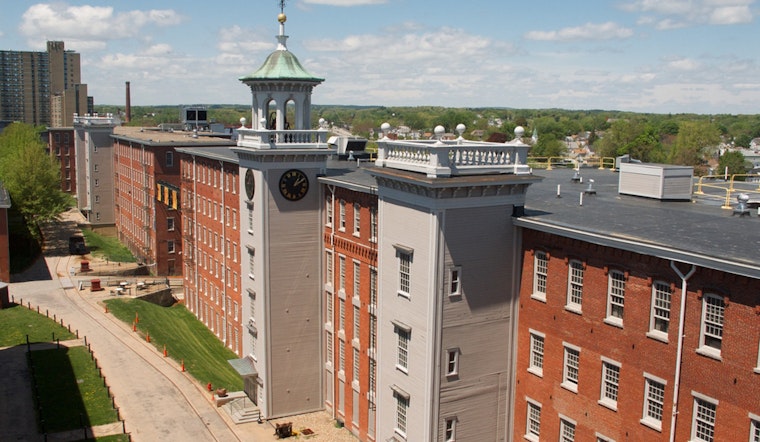
A short film about Lowell's 19th-century mill workers was quietly pulled from the theater at Lowell National Historical Park this week, and locals are not taking it lightly. The sudden removal has historians and park advocates worried that a crucial slice of the city's story might be getting sanitized right out of public view.
Local reporting by the Lowell Sun says the short film "Lowell: The Continuing Revolution" was taken out of the park theater after staff were told to make sure materials lined up with Interior Department guidance. In a letter highlighted by the paper, Tara Hong wrote, "We must not allow our history to be erased," urging local leaders to demand an explanation and push for the film's return.
Trump-Era Review Spurs Boston Court Fight
The shuffle at Lowell is part of a much bigger political project. President Trump signed an executive order directing a review of how history and science are presented at federal sites, and the Interior Department followed with a secretarial order spelling out how that would play out on the ground. According to The White House, the directives told agencies to revisit interpretive materials across the park system.
Separately, a coalition of history, conservation and science groups filed suit in Boston on Feb. 17, arguing the policy amounts to censorship and that park exhibits have been removed or flagged for revision, according to The Associated Press.
QR Codes, Quiet Removals And What Is At Risk
Interior guidance instructed park units to post public notices and QR codes so visitors could report signs or exhibits they found "negative" about Americans, a move critics say turns history into something that can be policed by complaint. National Parks Traveler detailed the secretarial order and the new public reporting system, and advocates say that items touching on slavery, labor history, Indigenous history and climate science have been targeted for review at multiple sites.
Lowell Historians Call Foul
In Lowell, historians and preservation groups say stripping out context risks hollowing out the park's entire mission as an educational site. Boston.com reports that National Parks Conservation Association regional officials were told by park staff that the Lowell films were being "updated." NPCA leaders counter that taking away material about working conditions in the mills and the industrial pollution that came with them erases some of the most important, and uncomfortable, chapters of the city's story.
Court Clash In Philly Fuels Hope For Lowell
The legal fight has already produced one major ruling. A federal judge ordered that a removed slavery exhibit at Philadelphia's President's House be restored while litigation continues. That decision, along with the Boston lawsuit challenging the Interior Department directives, suggests the Lowell film removal could eventually be pulled into the same legal crosshairs, according to The Associated Press.
For now, park officials are directing questions to the Department of the Interior, while local leaders say they plan to keep pressing for clarity and for the film's restoration. Many of Lowell's exhibits remain on view at the Boott Cotton Mills Museum and at the Visitor Center, and the National Park Service continues to post visitor information online for those planning a trip.





