

























































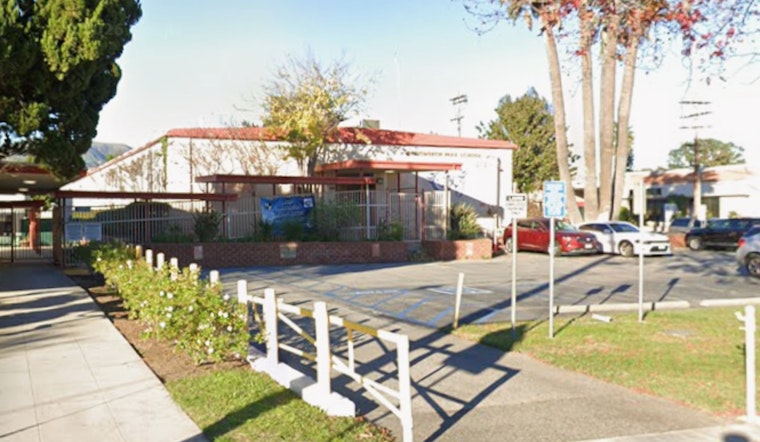
Tuesday morning at Chatsworth Park Elementary turned into an impromptu game of musical chairs, as parents and staff scrambled to reshuffle students after an entire classroom building was shut down over what families say is a visible mold problem. Two of the seven classrooms in that building have been taken out of use, and kids were quickly relocated to the auditorium, library, and even the teacher’s lounge while officials sort out what is going on. Several families say children have come home with rashes, red eyes, headaches, nosebleeds, and fatigue, symptoms they believe are tied to whatever is growing inside the building.
Teachers reported a musty odor to school facilities staff after heavy December rains, and parents say crews moved in to clean the area before testing was completed. As reported by CBS Los Angeles, the district has since moved students out of the building as a precaution and started testing for indoor environmental hazards.
School location and campus details
Chatsworth Park Urban Planning Magnet is part of the Los Angeles Unified School District and lists its campus at 22005 Devonshire Street in Chatsworth. According to Chatsworth Park Urban Planning Magnet, the site provides emergency information, parent resources, and a PTA page that families use to coordinate and share updates.
What experts say about mold and health
The Centers for Disease Control and Prevention notes that spending time in damp, moldy environments can lead to nasal and respiratory symptoms, eye irritation, and skin rashes, and can worsen asthma in children who are already vulnerable. The agency also points out that routine mold sampling is not recommended as a first step when a problem is suspected.
Per the U.S. Environmental Protection Agency, schools should focus on tracking down and fixing moisture sources, containing areas of contamination, and bringing in trained professionals for cleanup when the situation calls for it. In other words, stopping leaks and drying things out is job one.
Parents push for answers
Parents and the school’s PTA say they have been pressing the district for clearer, more consistent communication and report that some children have needed emergency care for worrying symptoms. "I'm just frustrated and saddened that no one seems to care," PTA president Casandra Walker told CBS Los Angeles, which also spoke with a second-grade student who described frequent headaches and nosebleeds after returning to class.
Next steps and what families can do
Testing is now underway. If the results confirm contamination, EPA guidance calls for removing affected materials, repairing any leaks, and thoroughly cleaning or replacing impacted HVAC systems, ceiling tiles, carpets, and other finishes as needed. In the meantime, parents who are worried about symptoms are advised to document medical visits and hang on to copies of school notices. Public-health information and cleanup guidance are available from the Centers for Disease Control and Prevention and the EPA.
For now, families say they will keep pushing the district for test results and a firm timetable for repairs, while teachers do their best to keep instruction on track in makeshift classrooms. Hoodline will follow the story as test results and remediation plans become available.





