

























































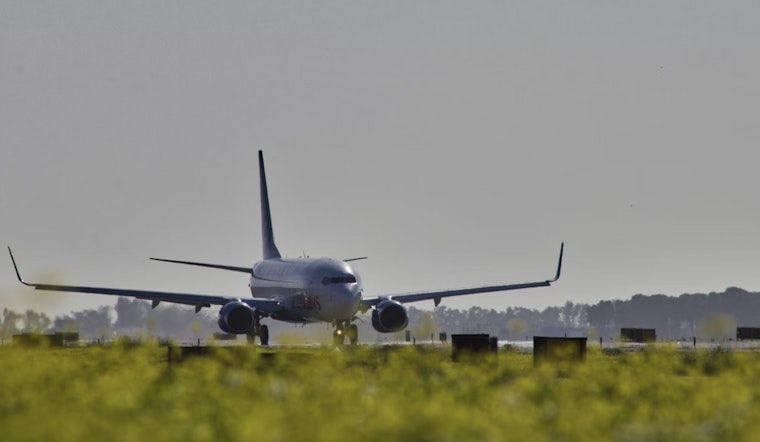
Saturday’s travel meltdown turned some of the country’s busiest airports into overnight waiting rooms, with hundreds of U.S. flights canceled or delayed, terminals jammed, and thousands of travelers funneled into long lines and last-minute hotel hunts. The mess piled up at crowded gates and rebooking counters as weary passengers swapped horror stories about missed connections and unplanned overnight stays. Airlines hustled to reshuffle aircraft and crews while airport staff tried to tame departure boards lit up with delays. It all capped a bumpy month for U.S. aviation, already strained by crew positioning problems and rough weather.
Public flight-tracking data logged 396 cancellations and 969 delays nationwide, clustered at major gateways including John F. Kennedy, LaGuardia, Los Angeles International, San Francisco International, Dallas–Fort Worth, and Houston, according to The Traveler. That tally left many passengers staring down a familiar set of bad options: endure marathon layovers, pay up for pricey same-day rebookings, or scrap trips altogether. Airport monitors and airline apps glowed with the now-routine orange and red of large-scale disruption as carriers consolidated flights in an effort to stop the dominoes from falling further.
What Triggered The Disruptions
The causes were a mix of tech trouble and already tight operations. A brief nationwide ground stop for JetBlue, imposed at the carrier’s request after an internal IT outage, briefly amplified the ripple effect, as CBS News reports. At the same time, airlines were juggling weather, air-space flow restrictions, and lean schedules that leave networks vulnerable to even small shocks. Past winter storms and regional flow programs have shown how quickly crews and aircraft can be knocked out of position, forcing airlines to cancel select flights to stabilize timetables, a pattern earlier coverage by AP News has documented.
Your Rights At The Counter
If your flight was canceled and you decide not to travel, federal rules say you are entitled to a refund for the unused portion of your ticket, even on so-called nonrefundable fares. Airlines must issue that refund promptly and in the original form of payment, according to the U.S. Department of Transportation. Carriers often try to rebook passengers automatically, but if you are offered an alternative you do not want, you can decline it, request a cash refund, and should keep records of the cancellation, schedule changes, and any offers made. The DOT also spells out when ancillary fees and baggage charges are refundable if the airline fails to provide the related service.
Will Travel Insurance Cover Your Hotel Bill?
Travel insurance can blunt some of the financial sting, but only if the delay meets your policy’s rules. Many standard trip-delay or trip-interruption benefits will reimburse reasonable expenses like hotels, meals, and ground transportation once the delay hits the required threshold, although coverage limits and trigger conditions vary by plan, according to a roundup by Money. Major providers such as Allianz outline trip-delay benefits that can pay daily allowances for overnight waits or reimburse documented expenses once the minimum delay period kicks in. To have a fighting chance at getting paid back, travelers should hang on to receipts, save airline delay and cancellation notices, and check policy language before filing a claim.
If you are already at the airport, start with the airline app, which often shows rebooking options before they appear at the counter. Head to the desk only if the app cannot fix your trip. Ask directly whether the delay is airline-controlled and whether that unlocks any hotel or meal assistance, and keep every receipt if you are covering costs yourself. If you booked through a travel agency or used a credit card with built-in protections, those intermediaries may offer extra coverage or faster reimbursement channels, so loop them in early.
Travelers should brace for lingering ripple effects over the next 24–48 hours as airlines finish repositioning crews and aircraft. Keep a close eye on airline alerts and on the DOT consumer dashboard for updated guidance. We will update this post as airlines and airports release new information.





