

























































New York is keeping a close eye on what grows in its backyards and along its roadways. The Department of Environmental Conservation maintains a formal roster of 56 invasive plant species classified as "prohibited," meaning it is restricted or unlawful to sell, import, transport or intentionally introduce them into the wild anywhere in the state. That list ranges from common landscaping headaches to plants that can pose real public-health dangers, including giant hogweed, whose sap can cause severe skin burns.
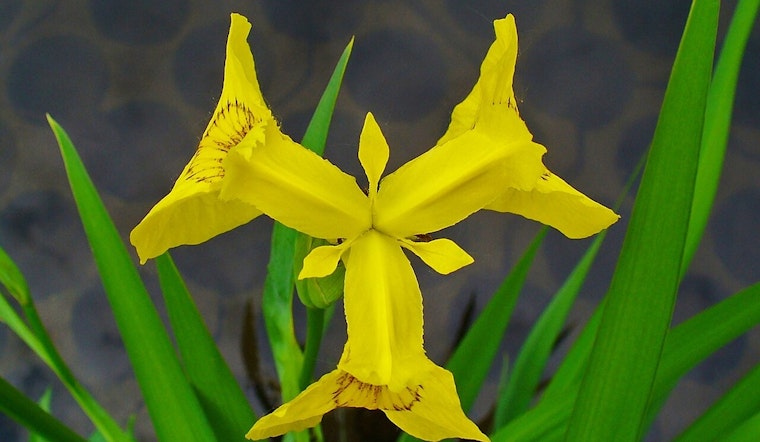
According to 106.5 WYRK, the state's prohibited roster includes species such as Amur cork tree, Bohemian knotweed, cogon grass, Amur honeysuckle and yellow iris. The booklet from the New York State DEC groups these plants into terrestrial, wetland and aquatic categories and spells out how the agency distinguishes between species labeled "prohibited" and those considered "regulated." That fine print matters for nurseries, landscapers and homeowners trying to decide what is safe to plant, and what really should come out.
What "prohibited" means for gardeners
Under the state's rulemaking for 6 NYCRR Part 575, a prohibited designation generally shuts down commercial activity, including import, sale, purchase, transport and introduction. Regulated species, by contrast, may still be sold, but they may not be intentionally released into the wild, according to the official regulatory record. The rules carve out narrow exemptions for research and education, but enforcement authority sits with DEC and the Department of Agriculture and Markets. The whole framework is set up to head off new infestations and slow the spread of invasive plants that can damage native ecosystems and even infrastructure.
Giant hogweed is especially dangerous
One plant on the list gets extra attention. Giant hogweed (Heracleum mantegazzianum) does not just crowd out native vegetation, it also carries sap with phototoxic compounds that can trigger painful blisters, long-lasting scars and extreme sensitivity to sunlight. The DEC notes that an average mature giant hogweed can produce about 20,000 seeds, and some plants have produced up to 100,000 seeds, with most of them dropping within roughly 10 feet of the parent plant. That short-distance rain of seeds helps the species build dense, persistent stands that are tough to reclaim. It is also listed as a federal noxious weed, a status that restricts interstate movement and signals why agencies treat confirmed sightings as a top priority.
Spot one? Steps to stay safe
If you think you have found giant hogweed, the first rule is simple: do not touch it. Instead, photograph the whole plant from a safe distance and note the exact location, whether that is GPS coordinates or the nearest cross street. Local partners in Western New York urge residents to report suspected giant hogweed with clear photos and location details so DEC crews can confirm what it is and, if needed, arrange for safe removal. If you suspect sap has touched your skin, wash the area thoroughly, keep it shielded from sunlight and seek medical advice if a reaction develops.
Why this matters locally
Plants on the prohibited list can quietly reshape local parks, streambanks and roadside corridors by squeezing out native species, degrading wildlife habitat and making erosion along waterways worse. Extension services and PRISM partnerships across New York encourage property owners to choose native alternatives and to tap local Cornell Cooperative Extension resources for help with identification and suggested replacements. DEC and its partners run control programs and education campaigns, but long-term success depends heavily on everyday choices in home gardens and landscaping, one planting decision at a time.





