

























































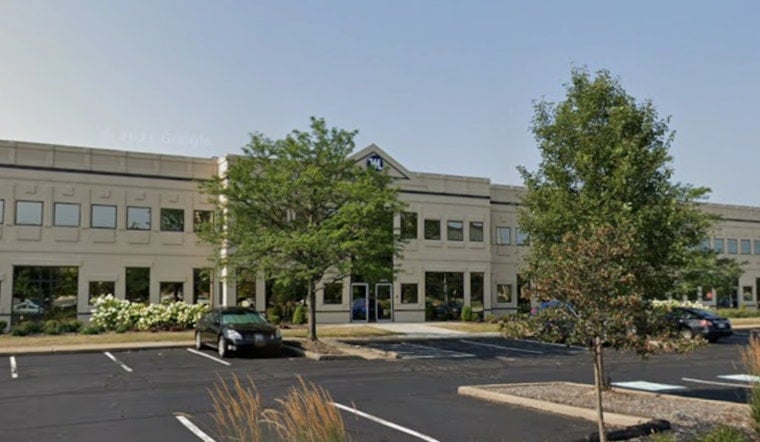
Millennium Place East, a roughly 72,000 square foot office complex in North Olmsted, was placed into receivership Thursday after its owners hit financial trouble. Control of the building now sits with a court appointed overseer, raising fast moving questions about day to day upkeep, leasing and which lender will ultimately call the shots. Tenants and brokers are watching the court docket for the formal order that will spell out what the receiver can do and on what schedule.
Receivership Reported
According to Crain's Cleveland, recent court action shifted Millennium Place East into formal court supervision while creditors sort through options for the debt. The outlet notes the property is the latest suburban office building to wind up in a legal process that puts a neutral manager in charge at a time when leasing activity is still soft. Early coverage said initial paperwork did not spell out the full lender picture or publicly name the receiver tied to the case.
Building Details And Leasing
Commercial marketing materials describe Millennium Place East, at 25111 Country Club Blvd, as a Class B office property totaling about 72,040 square feet with multiple vacant suites still being actively promoted, per its listing on CommercialCafe. The page lists CBRE brokers as contacts and shows recent updates to available space as of February. Those materials lean on the site’s surface parking and proximity to Cleveland Hopkins International Airport as key selling points, even as legal control of the complex changes hands.
A Familiar Pattern Around Cleveland
The North Olmsted move lands in the middle of a broader regional pattern in which large properties are sliding into court supervision. A federal judge recently appointed a receiver for the massive Union Trust, also known as the Centennial project, downtown, according to News 5 Cleveland. At the same time, city officials have been publicly pressing for quicker court intervention at troubled complexes like Reserve Square after waves of tenant complaints, as reported by Cleveland 19. Market watchers say lenders are increasingly leaning on receivership when they see foreclosure or similar actions as the only realistic path to protect what is left of a property’s value.
What Tenants And Brokers Are Likely To See
Local real estate observers say receivers typically focus on stabilizing income and keeping the asset secure rather than launching big renovations, a pattern described in coverage of other recent office receiverships by NEOtrans. That approach can leave tenants wondering how long it will take to get repairs, fresh build outs or new amenities, while rival landlords may see an opening to lure firms that start to feel uneasy. Larger occupants often use the moment to tighten protections around their lease terms, and smaller businesses tend to push for clear contact information and response times on operations and maintenance while the chain of command is in flux.
How Receivership Works
Receivership is a court driven remedy in which a neutral third party takes custody of a property, collects rent, preserves value and reports back to the judge while foreclosure or related litigation plays out, according to an overview from the Florida Bar Journal. Courts usually require evidence that such a step is needed to prevent waste or serious loss of value, and the appointment order spells out exactly what the receiver can and must do, including reporting duties. Initial moves often include securing the building, reviewing all leases and preparing financial statements for the court.
Next up for Millennium Place East are the formal docket entries that will identify the receiver, define the scope of authority and set reporting requirements, followed by regular status filings that will hint at the near term priorities for the property. Those public records, combined with notices from brokers, should reveal whether the goal is to stabilize the asset under receivership or guide it toward an eventual sale.




