

























































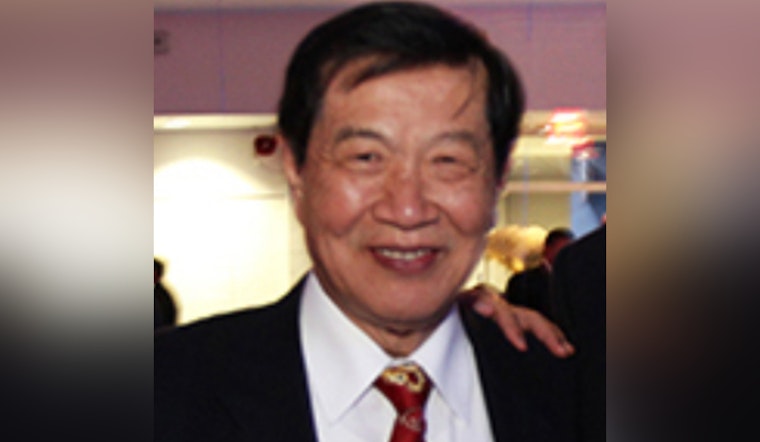
Dr. Henry C. Lee, the high-profile forensic scientist who helped turn crime-scene work into front-page news and must-watch TV, died Friday at his home in Henderson, Nevada. He was 87.
The University of New Haven announced Lee's death with his family, saying he died after a brief illness, according to News 3 Las Vegas. The station reports the university will later share details on memorial arrangements. Lee spent decades building the school's forensic program and kept a high public profile through consulting work and frequent television appearances.
Lee joined the University of New Haven faculty in 1975 and later helped create the Henry C. Lee Institute of Forensic Science on campus, which describes itself as a training hub for law enforcement, according to the Henry C. Lee Institute. He served as Connecticut's chief criminalist and directed the Connecticut State Police Forensic Science Laboratory from 1978 to 2000, positions that gave him broad influence over forensic practice across the state. The institute's program blended classroom study with hands-on crime-scene training that drew students and agencies from across the globe.
Lee became a household name after his work in the 1995 O.J. Simpson murder trial, then went on to consult in the JonBenét Ramsey investigation and in the Laci Peterson and Phil Spector cases, among others, The Guardian reported. The outlet also noted that Connecticut agreed to a settlement worth roughly $25 million to two men whose wrongful convictions were tied in part to testimony in which Lee had been involved. Celebrated for helping build modern crime-scene methods, he also saw his work repeatedly scrutinized as courts and scientists revisited older techniques.
Legal fallout and controversies
Lee's reputation was complicated by courtroom challenges late in his career. In July 2023 a federal judge ruled that Lee was liable for fabricating evidence in a 1985 New Milford murder case, finding there was no documentation that he performed a chemical test he said he had carried out, according to reporting by Connecticut Public. The decision sent related claims against state police and New Milford officials toward trial and left open the possibility of multimillion-dollar damages, and state lawyers said they would appeal. Lee disputed the judge's findings and said he had no motive to fabricate evidence.
He trained investigators worldwide
Colleagues and students credited Lee with professionalizing forensic training and expanding hands-on testing for investigators. The Henry C. Lee Institute emphasizes applied laboratory work, support for cold cases and continuing education for law enforcement, and its materials describe Lee's central role in establishing the program and its facilities. Even critics have acknowledged that his methods and textbooks helped shape how many American crime scenes are processed.
He is survived by his daughter, Sherry Hersey, and his son, Stanley Lee, News 3 Las Vegas reports. As debates continue over expert testimony and forensic standards, Lee's death renews questions about how courts should weigh experience, documentation and evolving scientific practices.





.jpg)