

























































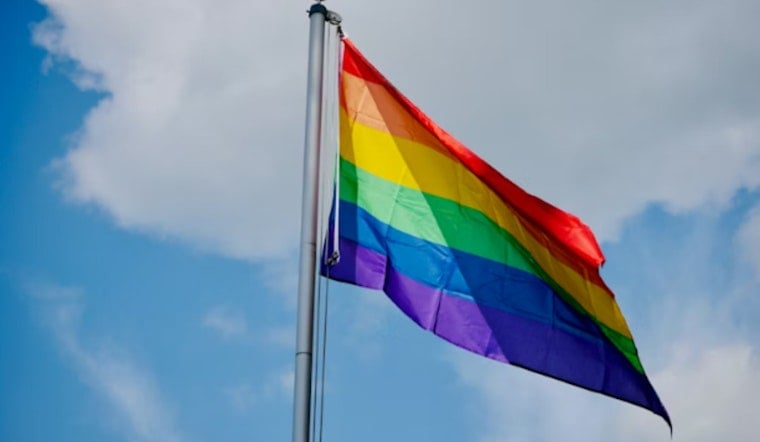
In a move that has Oklahoma politics buzzing, the Republican-controlled state House on Wednesday signed off on a pair of bills that target both public recognition of LGBTQ+ pride and changes to birth certificates. One measure would block state agencies from recognizing Pride Month or flying flags tied to sexual orientation or gender identity. The other would lock in the biological sex listed on birth certificates. Both bills cleared the chamber largely along party lines and now head to the state Senate, with backers calling the effort a safeguard for public dollars and records, and critics blasting it as an attack on LGBTQ+ Oklahomans, as reported by the Oklahoma Legislature.
What the bills would do
According to the Oklahoma Legislature, House Bill 1219 would stop any state "agency" from using funds to "develop, organize, administer, engage in, promote, or endorse" activities that recognize "Pride Month or any event with a similar theme." It would also forbid "any flag that represents sexual orientation or gender identity" from flying on state property.
A separate bill summary states that House Bill 1225 would bar amendments to the biological sex designation on birth certificates, effectively freezing the sex recorded at birth. The summary lists Rep. Kevin West as the author of that measure.
Lawmakers' debate and votes
Republican sponsor Rep. Kevin West framed the bills as an effort to protect state funds and preserve the integrity of historical records, arguing on the House floor that, "This bill does not stop somebody from identifying how they wish to identify." Democratic lawmakers, who unanimously opposed both measures, countered that the legislation marginalizes LGBTQ+ residents and sends a message of exclusion from state institutions.
The bills ultimately passed along party lines in the GOP-led chamber and now advance to the Senate for consideration, according to KGOU.
Legal context and pushback
The renewed push to lock sex markers on birth certificates comes as Oklahoma is already tangled in related litigation. A three-judge panel of the U.S. Court of Appeals for the Tenth Circuit recently revived equal-protection claims that challenge the state’s prior ban on amending birth certificates, ruling that those claims are strong enough to move forward. Civil-rights advocates and legal analysts say proposals like HB 1225 are almost certain to invite fresh court challenges and potentially lengthy legal battles.
What happens next
Both bills now land in the state Senate. If the upper chamber signs off on either one, it would go to the governor’s desk for a final decision. Supporters say enforcement would center on how state property and taxpayer money are used. Opponents warn the measures could spur more lawsuits and create new administrative complications for state agencies and public schools, even as the state’s legal fight over birth certificates is already underway.





