

























































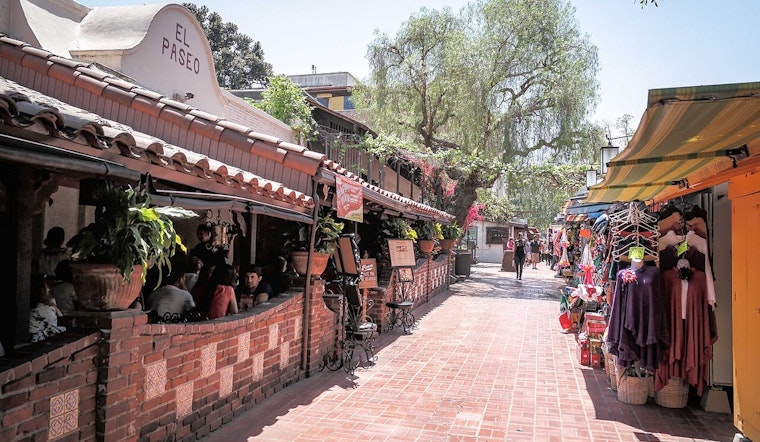
Olvera Street, the famous corridor of souvenir stalls and family‑run taquerías in downtown Los Angeles, is a lot quieter than it used to be. Merchants say the steady stream of visitors that once kept the plaza buzzing has slowed to a trickle, leaving empty booths, shortened hours, mounting back rent, and fewer staff on the payroll. For many families who built their livelihoods around the market, the downturn now feels like a breaking point.
According to CBS Los Angeles, shop owners say Olvera Street "has been declining for years," and that the more recent drop in foot traffic has pushed the historic marketplace into crisis. In that report, several merchants warn that if just a few more businesses close, the plaza’s character will be fundamentally altered.
Vendors interviewed by Spectrum News describe steep post‑pandemic losses. One longtime owner said business fell by roughly 85 percent, while others reported revenue drops of 40 to 60 percent in recent months. Merchants point to a mix of pressures, including fewer tourists, rising operating costs, visible homelessness, and disruptions tied to immigration‑related protests and enforcement.
Vacancies and Longtime Closures
Some of Olvera Street’s most recognizable names have already disappeared. Eater LA reports that La Golondrina, a fixture since the 1930s, filed for bankruptcy and closed in May 2024 after a dispute over plumbing repairs in a city‑owned building. Broader coverage has documented empty stalls, reduced hours, and vendors dipping into retirement savings just to stay open, as SFGATE has reported.
Legal and Lease Issues
Lease disputes have become a familiar storyline on the plaza. The Board of Commissioners for El Pueblo moved to evict La Carreta, home to the plaza’s well‑known photo‑op burro, after citing delinquent rent and ownership paperwork, according to the Los Angeles Times. Merchants say the city‑owned, city‑managed structure leaves tenants exposed when buildings need repairs and costs pile up.
City Response and New Leadership
City officials have started to respond and have installed new leadership at El Pueblo. Mayor Karen Bass and the City Council confirmed Domenika Lynch as general manager late last year, a move the mayor framed as part of a broader plan to reenergize the site, according to the Mayor's Office. Budget hearings show El Pueblo struggling to collect rent and exploring partnerships with BusinessSource Centers to support small merchants, as detailed in a city budget report.
Relief Money, But Gaps Remain
County and city relief programs have delivered some financial help, but business owners say it is not enough to stabilize the corridor. A county resilience fund awarded $1.53 million to 367 small businesses, and the Board of Supervisors approved another $3.33 million for a second round focused on neighborhoods affected by enforcement actions and protests, according to Spectrum News. Merchants told reporters the grants help plug immediate gaps but are inconsistent and cannot replace regular visitor spending.
Vendors say they are looking for long‑term solutions instead: faster building repairs, stronger promotion for events, and steady enforcement of quality‑of‑life issues that can discourage visitors. The city’s Department of Cultural Affairs continues to schedule festivals and community celebrations at El Pueblo, which merchants hope will bring crowds back during event season, according to the Department of Cultural Affairs. For now, many owners are hanging on to family history and a fragile hope that the plaza can still be revived.





