

























































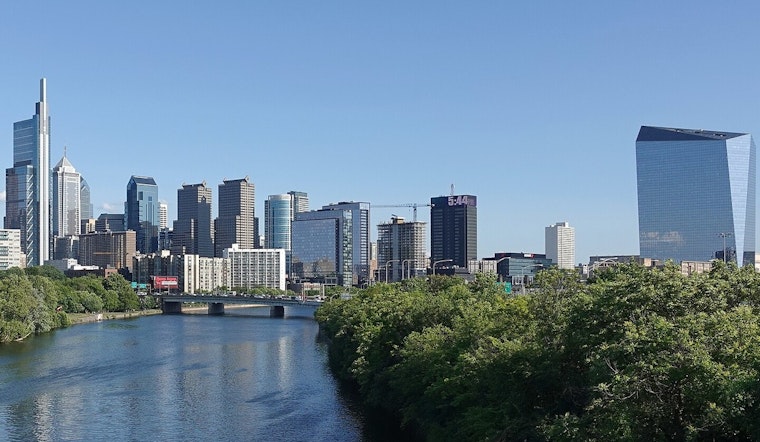
Philadelphia’s startup scene just snagged a national spotlight, landing in the top 10 of a new ranking and tying for the country’s highest new-business survival rate. Together, those stats suggest Philly’s founders are building companies that can actually stick around, right as investors and local leaders say a multi-year funding freeze is finally starting to thaw.
The city’s innovation ecosystem ranked eighth among U.S. cities with populations above 1 million, edging out bigger-name hubs like Chicago, Los Angeles and New York, according to CommercialCafe. The study weighed factors such as the density of new establishments, five-year changes in new-company counts and how many of those new ventures survive, then stacked the major cities against one another.
On that last metric, Philadelphia quietly topped the charts. The city posted a 66.2% five-year survival rate for new businesses, tied with San Antonio, a figure local reporters and analysts have pointed to as a clear signal of stability. Coverage of the ranking and investor reaction also highlighted relatively low office and coworking costs and a reputation for a collaborative culture that, as Antonia Dean of Black Operator Ventures put it, treats “a win for anyone in Philadelphia is a win for everyone in Philadelphia,” according to PHILADELPHIA.Today.
The feel-good narrative is not just vibes. Capital is showing early signs of returning: Technical.ly reports that the region closed Q4 2025 with about $1.17 billion in venture investment and roughly $3.76 billion for the full year, powered by several sizable later-stage rounds. Local leaders say recent exits and the arrival of new investor groups have loosened some purse strings, even if the bounceback has been uneven across stages.
Universities and big rounds are padding the pipeline
Institutions are stepping in to bolster the earliest stages. The University of Pennsylvania, BioNTech and Osage University Partners launched a $50 million Penn-BioNTech seed fund to back Penn-originated life-sciences startups, a move that The Daily Pennsylvanian says could help fire up local seed activity. That kind of university-led capital is particularly critical for life-sciences and hard-tech founders, whose products usually demand longer, pricier development cycles than a typical software app.
What founders should expect in 2026
For now, the recovery is built more on a few big, late-stage checks than on a broad surge of seed deals, so early-stage founders are still facing a higher bar on traction and revenue. As Technical.ly notes, investors are leaning toward companies that can already show customer revenue, solid unit economics or a clear and fast route to scalable growth.
Even so, the new ranking underscores some very practical advantages: lower operating costs, deep university ties and an investor community that tends to prioritize durability over hype. For founders trying to decide where to build, the mix of national recognition and local funding data points to Philadelphia as a place where surviving those brutal early years might be a better bet than almost anywhere else in the country right now.


.jpg)