

























































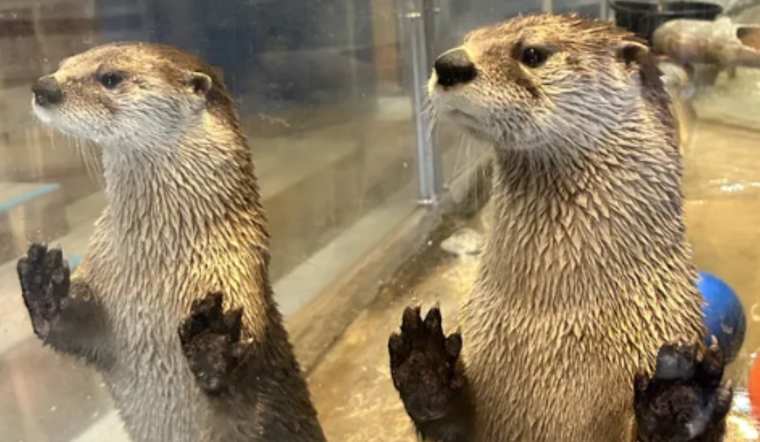
The Delmarva Discovery Museum in Pocomoke City will shut its doors this Friday, March 20, after leaders said a deepening financial shortfall left them unable to keep the place running. Executive Director Christy Gordon announced the move in a social media post, explaining that ongoing budget pressures had made it impossible to sustain the museum’s programs and animal care. Staff said they are now focused on relocating the museum’s live animals to professional facilities as regular operations wind down.
Fundraiser Fell Short And Donations Paused
According to the museum’s GoFundMe, the emergency campaign pulled in $9,379 of its $10,000 goal before being marked "Donations paused." As reported by WBOC, the fundraiser launched in January to bridge a slow-season revenue slump, with staff warning that rising costs were putting a serious squeeze on the small nonprofit’s budget.
Staff Arranging Care And Transfers For Animals
Museum leaders said employees are working with accredited aquariums and wildlife centers to move animals into safe, professional environments, according to The Baltimore Sun. Gordon told the paper that the decision comes after prolonged financial strain that made it harder and harder to operate at an acceptable level in the foreseeable future.
What The Museum Offers The Eastern Shore
Set on Market Street along the Pocomoke River, the museum spans roughly 16,000 square feet and includes an interactive natural-history floor, a saltwater touch pool, and a 6,000-gallon river-otter habitat featuring resident otters Mac and Tuck, according to the museum’s website. Local listings describe the Delmarva Discovery Museum as a go-to field-trip destination and regional attraction, signaling the educational and economic gap its closure is poised to leave.
Next Steps And Community Impact
Officials said the museum will stay open through Friday to handle animal transfers and final wrap-up tasks, and they urged residents to keep an eye on the museum’s site and fundraising page for updates. The shutdown removes a rare hands-on science hub for local schools and a draw for nearby businesses that count on visitor traffic. Leaders said they hope regional partners can help preserve some programming and salvage collections. Reporting by WBOC has underscored how a crowded nonprofit landscape and rising operating costs have left fewer safety nets for smaller cultural institutions like this one.





