

























































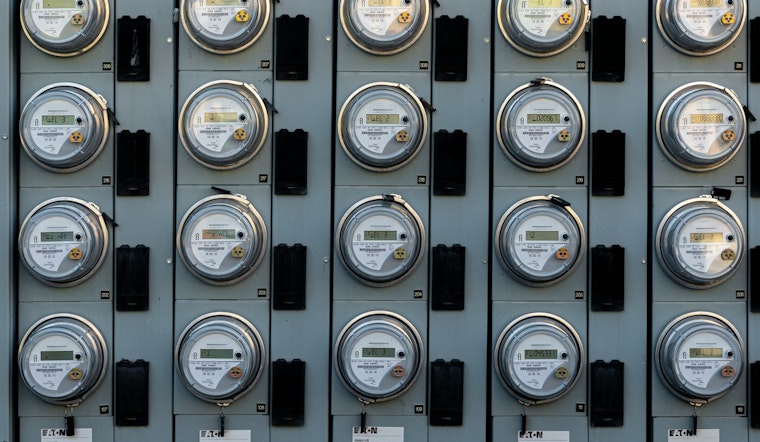
Electric bills are taking a noticeable chunk out of Tennesseans' paychecks, with a new analysis finding households are spending nearly 3 percent of their income just to keep the lights on. The study ranks states on energy affordability, blending bill size, recent price jumps and how much electricity costs cut into take-home pay.
According to iSelect, the United States Energy Affordability Index weights three factors - average monthly electricity bills, electricity as a share of income, and historical price change - to score how hard energy costs are hitting budgets across the country. The release points to Hawaii, Alabama and Louisiana as some of the places where power costs are putting the most pressure on households.
Why Tennessee Ranks High
Coverage from WSMV Nashville reports that the iSelect analysis puts Tennessee 14th in the nation overall and finds that residents here spend almost 3 percent of household income on electricity, the seventh-highest share in the country. WSMV also notes that iSelect's numbers show the price of electricity in Tennessee has climbed about 12.4 percent since 2019. Put together, those trends mean electric service is quietly claiming a larger slice of many paychecks across the state.
How Tennessee Compares
Federal data suggest Tennessee's rates on paper are not the worst. The U.S. Energy Information Administration lists the state's 2024 average retail price at roughly 10.90 cents per kilowatt-hour. At the same time, the U.S. Census Bureau's QuickFacts estimates Tennessee's median household income for 2020-2024 at about $69,600, which sits below the national median. That combination helps explain why similar looking bills can feel heavier here than in higher income states.
National Squeeze, Local Consequences
The National Energy Assistance Directors Association has warned that home energy costs are on the rise and projected roughly a 9.2 percent jump in winter heating expenses, a trend it says is pushing more families into utility debt, according to NEADA. NEADA and other advocates argue that broad national price pressures make affordability scorecards like iSelect's especially important for lower wage states and have called for stronger federal and state aid for struggling households.
What Residents Can Do
For Tennesseans feeling the pinch, there are a few immediate steps to consider. Households can check whether they qualify for assistance programs such as LIHEAP, ask their utility about payment plans or hardship options, and tackle basic efficiency fixes like sealing drafts, swapping in LED bulbs and tightening thermostat schedules to cut use. In areas where customers can choose among plans, shopping around and keeping an eye on usage during peak hours can also help bring monthly costs down over time.





