

























































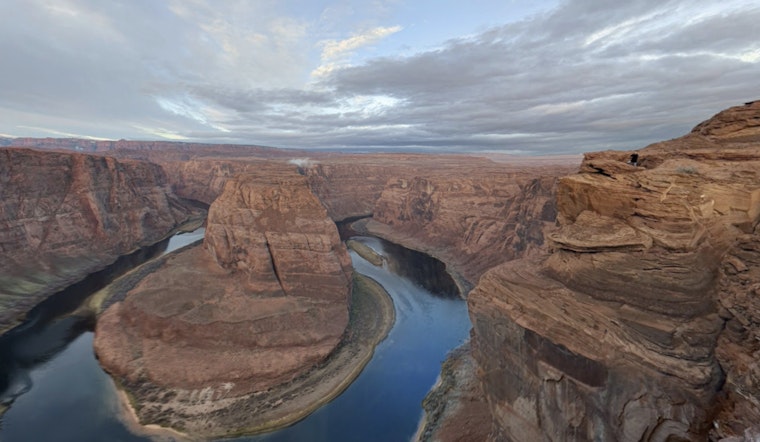
Visitors around Lake Powell are getting a fresh warning from the National Park Service: quicksand has been reported throughout Glen Canyon National Recreation Area, the sprawling landscape that bridges northern Arizona and southern Utah. Rangers say the water-saturated sand is turning up along shorelines and in drainages where newly exposed beaches and creek channels can hide deceptively unstable ground. The alert is aimed at hikers, boaters and anyone tempted to wander across those fresh stretches of shoreline or walk up dry-looking creek beds.
“Quicksand may be present near the shoreline and in drainages throughout the park. It can appear dry and firm on the surface but may suddenly give way,” the park says, according to the National Park Service. To get out if you do sink in, the agency’s guidance, summarized by Parade, advises staying calm, leaning back to spread out your weight and slowly working one leg free at a time instead of thrashing around.
Shifting Shorelines Are Creating New Traps
Unusually low water levels at Lake Powell and receding shorelines have opened up new sand flats and drainage channels that can become saturated and behave like quicksand, a pattern reported in the advisory by Outside. The warning reaches into heavily visited overlooks and beaches, including the Horseshoe Bend area, where parking restrictions and a viewing deck are already in place to help manage crowds and safety. The Salt Lake Tribune notes that the quicksand alert lands at the same time as park notices about harmful algal blooms in parts of Lake Powell.
How To Avoid Getting Stuck
Park officials urge visitors to check current conditions before heading out, steer clear of soggy, unusually smooth or rippling sand, and use a pole, paddle or similar tool to probe suspicious ground instead of stepping straight onto it. The park has said it is preparing for lower water levels this season and is adjusting access points and boat ramps accordingly. In an emergency, visitors are reminded to call 911 or hail the National Park Service on Marine Band 16, according to a recent Glen Canyon news release. Families are encouraged to keep children and pets well back from newly exposed shoreline and to consider footwear that can be slipped off if you need to float or carefully back out of a sticky spot.
Quicksand encounters are not an everyday occurrence, but they do happen. Last December, a hiker at Utah’s Arches National Park sank to about thigh depth in quicksand and had to be freed by Grand County Search and Rescue crews using boards and a ladder, the Associated Press reported. If you or a companion becomes stuck and cannot free a limb, officials say to call for help as soon as possible and focus on staying calm while spreading out your weight, following the same steps outlined in the park’s guidance.





