

























































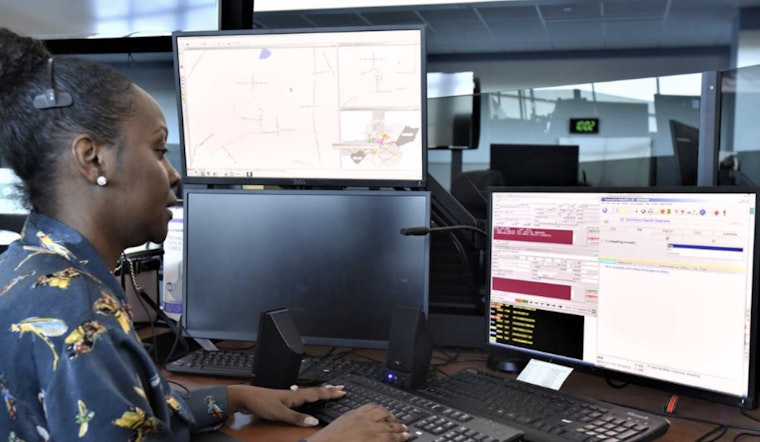
In a quiet shift that could change how Raleigh handles mental health emergencies, some 911 calls are now landing with licensed clinicians instead of police or EMS. As part of the city’s Raleigh CARES pilot, certain behavioral health calls are routed from traditional dispatchers to mental health professionals stationed inside the 911 center. The idea is simple but bold: reduce unnecessary law enforcement response while getting people in crisis both immediate help and a path to longer term care. For now, the pilot is limited in hours and scope while officials gather data on how it performs.
City documents show the Crisis Call Diversion pilot went live on Nov. 10 and placed three licensed clinicians inside the Raleigh-Wake Emergency Communications Center on weekdays from 9 a.m. to 5 p.m., according to the City of Raleigh. The city contracted with Alliance Health to staff the line and to provide after-hours coverage through its crisis team. Eligibility for diversion is intentionally narrow: callers must be the person experiencing the crisis, not have a weapon, and be able to speak for themselves.
How the diversion works
When a 911 call comes in, telecommunicators first check for any immediate danger. If the situation appears safe enough for a clinical approach, they can transfer the caller to an on-site clinician, who then conducts a clinical risk assessment and works to de-escalate, as reported by INDY Week. Clinicians zero in on suicidal or homicidal intent, signs of psychosis, and substance use to determine what kind of response is appropriate, whether that is police, EMS, a mobile crisis team, behavioral urgent care, or some other support.
Early results and limits
City updates report that clinicians handled dozens of transfers during the pilot’s first month and that many callers were routed to community-based care instead of an emergency response, according to the City of Raleigh. Emergency Communications Director Dominick Nutter told Axios the program helps free up first responders and creates “continuity of care” because Alliance can line up follow-up services. Local TV station CBS17 recently spotlighted the pilot and the clinicians now working inside the 911 center.
Part of a larger Raleigh CARES push
The call diversion line is one pillar of Raleigh CARES, a broader effort that also includes the ACORNS police and social worker co-response unit, a care navigation team for follow up, and plans for a mobile crisis response pilot. The city framed Raleigh CARES as a multi-part pilot, INDY Week reported. Council materials and local reporting show the city budgeted about $546,114 to hire the three on-site clinicians for the initial pilot. Officials say the overarching goal is to give residents options that do not automatically involve law enforcement.
What advocates and officials say next
Supporters call the program a long-needed alternative to sending armed officers to nonviolent behavioral health episodes, while also flagging the obvious caveat: it only operates during weekday business hours. Observers point to a wider systems gap as well. Calls to the national 988 mental health line usually route through regional centers that are not always linked up with local first responders, a challenge highlighted by Axios. City leaders and partner organizations say they plan to use data from the pilot to decide whether, and how, to expand the service.
If you or someone needs help
The pilot is not a separate emergency number. In life-threatening situations, residents should still call 911. For after-hours support and follow up, Alliance Health operates a behavioral health crisis line at 877-223-4617, according to Alliance Health. People can also dial or text 988 for the Suicide & Crisis Lifeline to reach immediate mental health support.





