

























































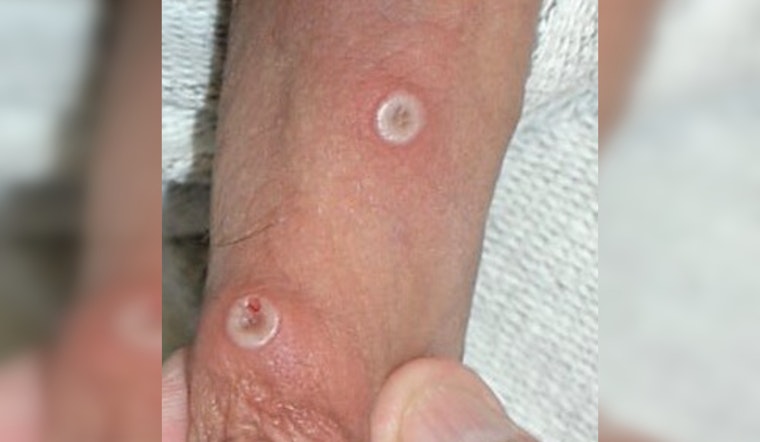
Clade I mpox has officially shown up in Missouri, and it arrived by plane, not by community spread.
State health officials in St. Louis said Monday that two Missouri residents have tested positive for clade I mpox. They are the first confirmed clade I cases in the state, and both patients had recently returned from international travel. The infections are not related to one another and are not believed to be linked to any locally acquired mpox cases, according to health authorities.
In a briefing to reporters, the Missouri Department of Health and Senior Services said these are now the 13th and 14th clade I infections identified nationally. State epidemiologist Dr. George Turabelidze stressed that people at increased risk should complete the two-dose JYNNEOS vaccine series. Public health teams are working to identify and notify close contacts, as reported by KMOV.
What Clade I Means
Clade I is a genetic group of the virus historically seen in Central Africa and has been associated with more severe illness and higher fatality rates than clade II. However, the CDC notes that most travel-associated clade I infections detected outside Africa have been mild so far and have not led to widespread transmission in the United States.
Federal health officials are asking clinicians to test suspected mpox cases for clade when possible and to promptly report confirmed infections to public health authorities so they can track any changes in how the virus is spreading.
What Officials Recommend
Missouri health leaders are echoing federal guidance, saying the overall risk to the general public remains low. Even so, they are urging vaccination for people at higher risk and quick testing for anyone who develops symptoms that could be mpox.
The Missouri Department of Health and Senior Services site offers information for clinicians and residents on where to get tested, how to access the JYNNEOS vaccine and what isolation looks like for people who test positive.
Where to Get Care and Vaccination
Local health hubs, sexual health clinics and public health departments are coordinating both vaccine appointments and mpox testing.
St. Louis residents can find local resources and clinic details on the City of St. Louis mpox page at the City of St. Louis website. If you think you have been exposed or you are noticing possible symptoms, officials advise contacting your healthcare provider or local public health department to arrange testing and discuss next steps.
Symptoms and Next Steps
Common mpox symptoms include fever, swollen lymph nodes and a painful rash or lesions. Anyone with these symptoms is urged to avoid close skin-to-skin contact, including intimate contact, and to stay isolated until all lesions have healed.
The CDC recommends that clinicians facilitate testing, notify public health authorities about suspected and confirmed cases and counsel patients on isolation and prevention. That includes completing the two-dose JYNNEOS series for people who are eligible for vaccination.





