

























































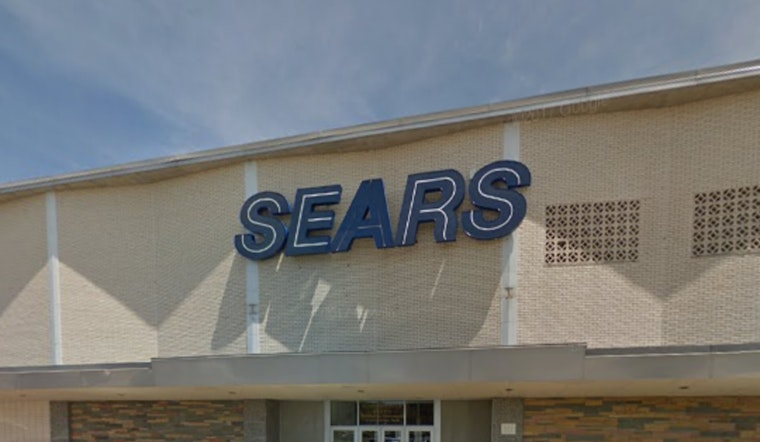
The long-vacant Sears on Rice Street in St. Paul is finally getting a new chapter. The Rondo Community Land Trust has purchased the two-story former department store, a hulking presence near the Minnesota State Capitol that has sat mostly empty since the late 2010s. The deal hands the nonprofit control of one of the city's most visible and closely watched redevelopment sites.
The sale was first reported on Friday by MPR News, which published details of the purchase on March 20. That coverage included photos of the shuttered store and highlighted how long the building has been dormant. At this stage, reporting has not included a detailed redevelopment blueprint for what comes next.
Site history and size
The Sears on Rice Street opened in the 1960s and shut its doors in late 2018, leaving behind a roughly 180,000-square-foot, two-story box and a sprawling surface parking lot that has largely gone unused for years. Sahan Journal has previously traced the site's recent history, including a string of ownership changes and redevelopment ideas. Concepts have ranged from food halls to event centers and mixed-use projects, but none of those pitches actually advanced to construction.
What the land trust brings
Rondo Community Land Trust focuses on preserving permanently affordable housing and community-controlled commercial space in St. Paul. The group has been active along nearby Selby Avenue and in other neighborhood efforts, working to keep longtime residents and small businesses in place rather than pushed out.
According to the organization's website, its programs include a Right to Return effort and small-business support initiatives. The trust has also partnered with other land-holding entities, including a recent property transfer organized with Land Bank Twin Cities. Rondo CLT and its partners say those collaborations are designed to keep key properties affordable and under local control.
Next steps and approvals
Turning the former Sears into housing, small-business space, or other community uses will not be as simple as hanging a new sign. Any reuse will need financing, technical studies, and multiple layers of city review. Past proposals for the property have stalled in part during the planning and approvals stage.
Existing corridor planning and county-funded studies that cover Rice Street mean the trust will have to coordinate closely with Ramsey County and city boards as it works up a formal plan. Ramsey County has already put money into planning along this stretch of Rice Street, so any future proposal will likely be folded into that broader vision.
Why it matters
For residents and business owners along Rice Street, this sale is a rare chance to see a massive, highly visible parcel of land in the hands of a nonprofit steward instead of another round of private speculation. Rondo CLT's model, where the trust holds land while trying to keep redevelopment affordable, could shape who ultimately benefits from whatever rises on the Sears site.
City officials, neighborhood groups, and small-business owners are expected to keep a close eye on the trust's next moves as it sketches out a timeline, funding strategy, and community process in the months ahead.




