

























































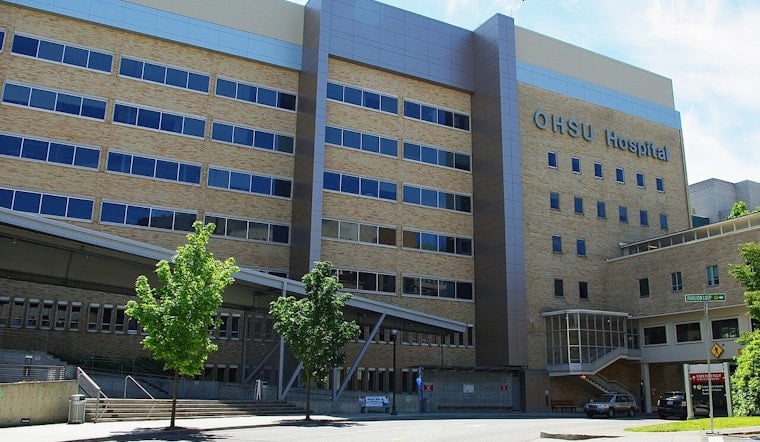
S&P Global Ratings has sent a financial warning shot at Oregon Health & Science University, shifting the outlook on the Portland institution’s debt to negative while affirming its A+ long-term debt rating. The agency cited sustained operating losses as the reason for the outlook change, a sign that OHSU’s finances are under fresh scrutiny. The action was first reported by the Portland Business Journal on March 30, 2026.
What S&P Said
In a ratings notice, S&P affirmed OHSU’s A+ rating but revised the outlook to negative, pointing to multiyear operating deficits that are eroding financial flexibility, according to S&P Global Ratings. The agency highlighted the combination of weak operating margins and sizable capital obligations as the main pressure points that could trigger a downgrade if current trends do not turn around.
OHSU's Financial Picture
OHSU has logged swings in operating income in recent years as labor, supply and capital costs climbed faster than core clinical revenue, a pattern reflected in the university’s audited financial statements and board materials. As reported by the Portland Business Journal, the move to a negative outlook follows several quarters of operating deficits and a broader industry squeeze that has hit hospitals across Oregon. OHSU’s audited financial statements show the institution leaning on investment returns and other nonoperating items to bolster its overall net position while day-to-day operating performance lags; see Oregon Health & Science University for recent audited figures.
Why The Outlook Matters
A negative outlook does not alter OHSU’s current A+ rating, but it signals that S&P sees a higher chance the rating could be cut if operating results fail to improve. In its ratings definitions, S&P Global Ratings describes outlooks as forward-looking indicators of the likely direction of a rating over the medium term. Negative outlooks are assigned when pressures may reduce coverage for debt service or weaken balance sheet metrics, and they are meant to communicate that a downgrade is more likely than an upgrade or a favorable change.
What Comes Next
In practical terms, a negative outlook can make future borrowing more expensive and invite closer review from bondholders, banks and state overseers, potentially influencing the timing and cost of major capital projects. University leaders have outlined plans for cost containment, operational changes and philanthropic support aimed at stabilizing margins, and stakeholders will be watching upcoming budget updates and quarterly results for signs that those efforts are taking hold. The Portland Business Journal reports that bond investors and local health care partners will be weighing how quickly those strategies can translate into better numbers.
The ratings move is another reminder of how national industry pressures, from staffing costs to reimbursement rates, are bearing down on Portland’s largest academic medical center. OHSU now faces a near-term test as it reports fiscal updates, and for the region the central question is whether fundraising and efficiency efforts can deliver steady operating margins before S&P’s negative outlook turns into a formal downgrade.




