

























































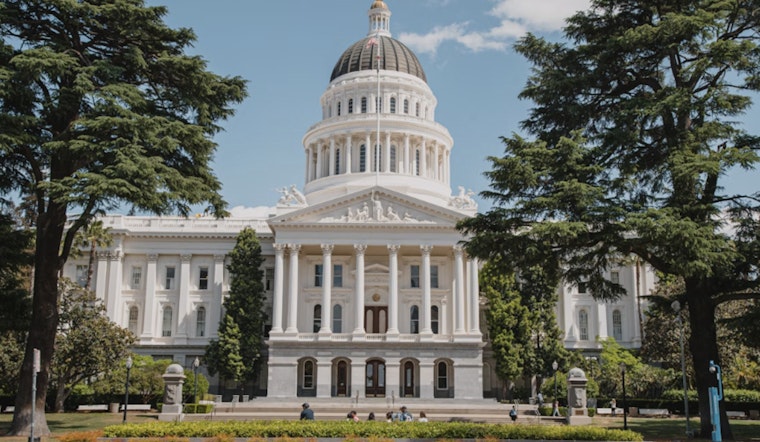
On Thursday, March 5, 2026, leading candidates for California governor took the stage in Sacramento for the Homeownership Matters forum and quickly turned it into a referendum on the state’s housing woes. For about 90 minutes, hopefuls traded plans, priorities and a few sharp contrasts as they tried to convince realtors and voters they have the best shot at making homeownership something more than a pipe dream.
According to the California Association of REALTORS, which organized the Homeownership Matters gubernatorial forum, the event was designed to spotlight policies that could expand ownership. C.A.R. President Tamara Suminski and CEO Phil Hawkins moderated the session, keeping candidates focused on concrete ideas rather than campaign trail sound bites. As reported by ABC10, the discussion drilled into housing supply, financing tools and the increasingly fraught world of home insurance.
What candidates have proposed
Much of what surfaced on the C.A.R. stage echoed proposals floated at recent forums. Tony Thurmond has pledged construction of 2 million affordable units paired with expanded down payment assistance, while Tom Steyer has talked up an aggressive home building push and statewide rent controls. Xavier Becerra, for his part, has proposed freezing utility and property insurance rates, according to the Bay Area Reporter. Together, those ideas highlight a central split in the race: candidates who lean on supply-side construction plans versus those who emphasize direct financial relief for would-be buyers.
Why housing is central
The numbers driving all this talk are hard to ignore. The Legislative Analyst's Office found that in 2025 only about 45 percent of California households would likely qualify to buy a bottom-tier home, down from roughly 60 percent in 2019. It also reported that in December 2025, monthly mortgage payments for a typical two-bedroom home were about 62 percent higher than typical rents. That snapshot from the LAO's housing affordability tracker helps explain why candidates are juggling long-term construction goals with shorter-term support for first-time buyers, and why those statistics kept getting name-checked as candidates defended their timelines and tradeoffs.
What C.A.R. wants and what’s next
C.A.R. framed the Sacramento event as part of its broader Homeownership Matters campaign and has promoted a proposed measure called the Middle-Class Homeownership and Family Home Construction Act as one route to expand ownership opportunities, according to the California Association of REALTORS. With the statewide primary scheduled for June 2, 2026, according to the California Secretary of State, candidates have only a short runway to turn these broad promises into plans that resonate with voters who consistently rank housing as their top concern.
For Sacramento, where the governor’s office sits and where state housing policy is written, the forum underscored that the next administration will be judged heavily on whether it can turn campaign rhetoric into shovels in the ground and realistic paths to ownership. As the primary approaches, expect the debate to shift from lofty pledges to pointed questions about who pays, which zoning rules move first and how quickly any of this might actually show up in listing prices.



