

























































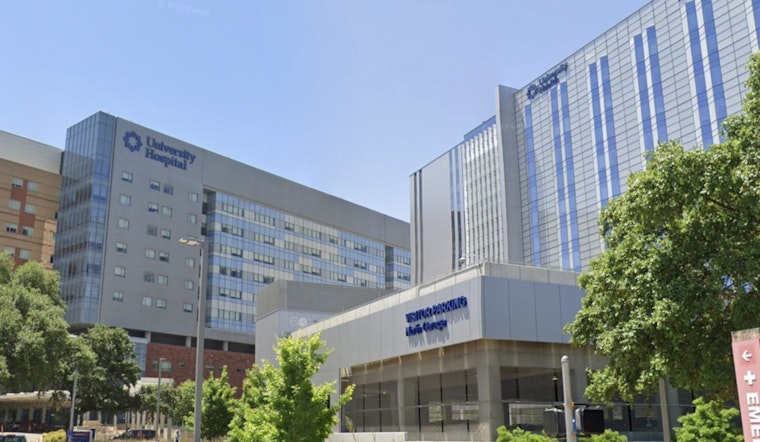
University Hospital in San Antonio is stepping into the next wave of stroke care, enrolling patients in clinical trials that could give doctors much more time to act when blood clots block blood flow to the brain. The studies aim to stretch the window for intravenous clot‑busting medication to as long as 24 hours after symptoms start and, in carefully selected cases, to allow clot‑removal procedures up to 72 hours after onset. Hospital neurologists say that could open the door to life‑saving therapies for patients who used to be told they arrived too late.
As reported by KSAT, Dr. Sujani Bandela, a vascular neurology specialist affiliated with UT Health San Antonio, said University Hospital is taking part in studies that test an expanded IV window along with a trial called SELECT LATE, which pushes the time limits for thrombectomy. KSAT notes that "up to just a few months ago, we had four and a half hours as our time window," and reports that University Hospital is one of only three Texas sites participating in SELECT LATE. Hospital staff are also briefing local EMS and the San Antonio Fire Department so first responders know which late‑presenting patients might now be eligible for advanced care.
What a comprehensive stroke center provides
Comprehensive Stroke Centers keep stroke teams on alert around the clock, with 24/7 stroke neurologists, advanced imaging, and endovascular specialists ready to perform thrombectomies. University Hospital reports that it maintains these resources on its Main Campus. The STRAC stroke resource page lists University Hospital as a Comprehensive (Level I) stroke center, and University Health highlights its rapid‑response stroke team and dedicated procedure suites for emergency interventions.
Why timing still matters
Even with trials that could extend treatment windows, clinicians keep returning to the same message: "time is brain," and earlier treatment generally leads to better outcomes. The American Heart Association urges people to watch for BE‑FAST warning signs, which include sudden problems with balance, eyesight changes, face droop, arm weakness, speech changes, and a reminder that it is time to call 911. The organization also stresses the importance of controlling stroke risk factors such as high blood pressure, smoking, and diabetes. While research on expanding treatment windows could help patients who arrive later, public awareness and rapid transport remain critical for protecting brain tissue.
What this could mean for San Antonio patients
Local neurologists say the new trials will not replace existing stroke protocols, but they could influence transfer decisions and treatment plans for patients whose imaging shows salvageable brain tissue even hours after symptoms begin. Dr. Bandela, who treats stroke patients through UT Health San Antonio, told reporters that widening the treatment window could reach people who previously missed out on therapy because they arrived after the traditional 4.5‑hour cutoff. For now, hospitals are urging anyone with sudden BE‑FAST symptoms to call 911 immediately so the broadest possible set of treatment options stays on the table.
University Hospital's role in these studies puts San Antonio among the hospitals testing next‑generation acute stroke care and highlights why residents should know which Medical Center facilities are equipped to deliver the highest level of stroke services. For more on local stroke designations and the hospital’s stroke program, see STRAC's resource page and University Health.





